
 Live Science Plus


Sleeping Pills: Older Adults More Likely to Use

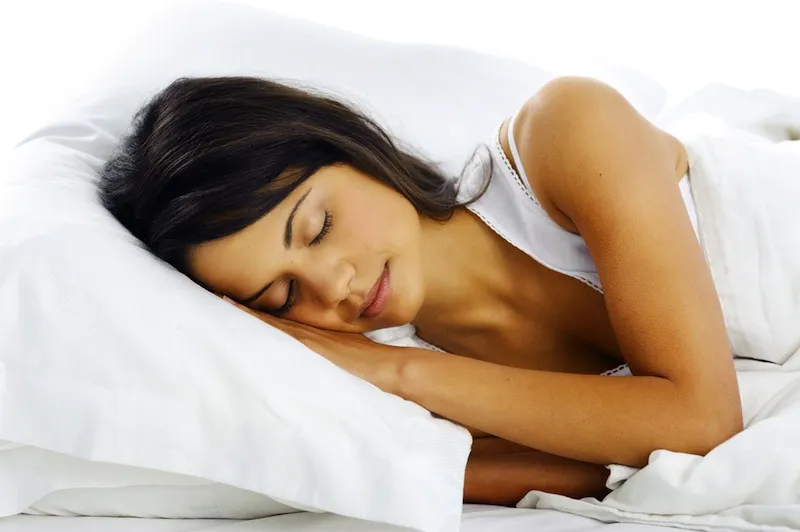
About 4 percent of Americans use prescription sleep aids, with the drug being more commonly used among women and older adults, a new report from the Centers for Disease Prevention and Control (CDC) shows. However, experts question the effectiveness of the drugs, as well as point out their risks.
In a national survey that was carried out between 2005 and 2010, about 4 percent of adults ages 20 and over reported taking prescription sleep aids in the past 30 days. About 2 percent of people of the youngest age group, ages 20 to 39, reported using sleeping pills, while about 6 percent of people ages 50 to 59 and 7 percent among those ages 80 and over said the same.

The results of this first governmental survey on sleep medication use are in line with previous estimations by pharmaceutical companies, and experts say the percentage of population using sleep medication may be too high, especially because long-term use of sleep aids has been linked to negative health effects.
"Most authorities think that use of sleeping pills should be minimized," said Dr. Daniel Kripke, professor emeritus of psychiatry at the University of California, San Diego. [10 Most Sleep-Deprived Careers]
Prescription sleep aids are one treatment option for people who have trouble falling or staying asleep. The medications work by suppressing activities in the nervous system. According to estimates, 50 to 70 million Americans suffer from sleep disorders or deprivation, which can not only hinder daily functioning, but can also adversely affect their health, according to the CDC researchers who carried out the survey.
"We know [sleep aids] make sleep apnea worse. We know they cause automobile accidents, depression, and infection," Kripke told LiveScience. "But the most important effects are controversial -- increased mortality and increased cancer."
In a 2012 study of about 33,000 people, Kripke and his colleagues found that people who use common prescription sleep medications had higher risks of dying prematurely and higher rates of cancer, even after controlling for their underlying health problems.
"The cancer effect was associated to a high dose of sleep medication, but the mortality effect was associated to a low-dose group, taking as little as 18 doses a year," Kripke said.
The medications the researchers looked at included zolpidem, temazepam, eszopiclone, zaleplon, other benzodiazepines, barbiturates and sedative antihistamines.
Insomnia itself can have negative effects on health, but in a recent study of sleep patterns and mortality, published in the August issue of the journal Sleep, researchers in Taiwan found that insomnia could not explain the link between increased mortality and sleep medication consumption.
"When you control for insomnia and sleeping pills in the same study, you see that it's the sleeping pills and not the insomnia that is associated with mortality," Kripke said, referring to that study.
In the CDC survey, the researchers found when people slept for durations greater or less than 7 hours, their use of sleep aids increased. People who slept less than five hours a day, and those slept more than nine hours a day, had the highest use of prescription sleep aid compared with people who reported getting seven hours of sleep.
The results also showed that one in six people with a diagnosed sleep disorder, and one in eight people who report having trouble sleeping, use sleep aids. However, it's not clear whether the medications are effective in helping patients get a good night's sleep, and some of the medicines may leave people drowsy in the morning.
"There's no objective evidence that sleep medications help people perform better the next day. The majority of studies show they impair the performance the next day," Kripke said.
Earlier this year, the Food and Drug Administration required the manufacturers of drugs containing zolpidem (with brand names such as Ambien, Edluar and Zolpimist) to reduce the recommended dosage to half after studies suggested people taking them faced a higher risk of injury due to morning drowsiness.
Email Bahar Gholipour. Follow us @livescience, Facebook or Google+. Article originally on LiveScience.
