













Owl Hoots Hush the Song of a Thrush

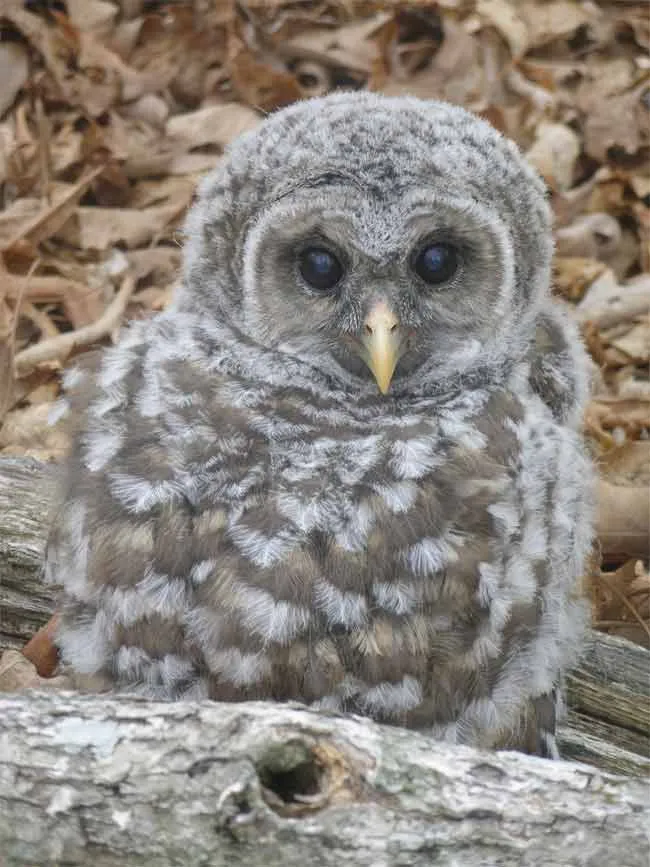
The Veery thrush, a secretive migratory bird, silences its flute-like twilight song when owls are around to avoid getting eaten, a new study shows.
The trembling, other-worldly dusk chorus of the Veery thrush (Catharus fuscescens) is often heard well after sunset. But all this singing in low light can be dangerous for the small brown and white birds. Perching makes them less vigilant and their racket can give away their exact location to predators like owls that just beginning their nocturnal hunt.
But Veeries adjust their behavior to be less conspicuous, the new study found.
Researchers studied a group of the birds in a stretch of forest in Millbrook, N.Y., a home shared with up to three pairs of predatory barred owls. When the scientists played recordings of the owl songs in the forest, Veeries cut their singing patterns for up to 30 minutes. The birds also had fewer song bouts at dusk and quit singing earlier in the night after having heard the owls.
"Singing becomes much more risky in the low light of dusk when owls are around," study researcher Kenneth Schmidt of Texas Tech University said in a statement. "However, by eavesdropping on owls, Veeries can adapt their singing behavior to decrease the risk of predation."
"Further studies of dusk chorus singing may reveal how the risk of being attacked by predators has contributed to the evolution of singing behavior at dusk," Schmidt added.
The research is detailed in journal Behavioral Ecology and Sociobiology.
Get the world’s most fascinating discoveries delivered straight to your inbox.
Follow Megan Gannon on Twitter and Google+. Follow us @livescience, Facebook & Google+. Original article on LiveScience.com.
