













Fall Prevention for Older Adults
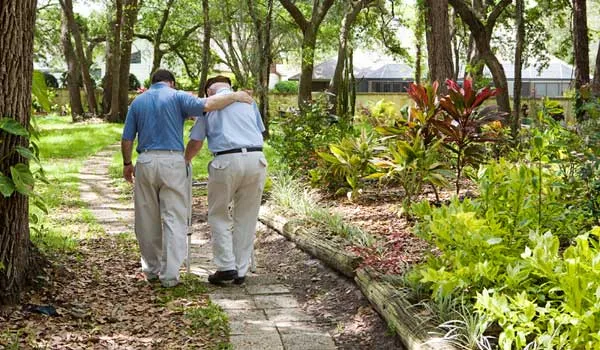
"The Healthy Geezer" answers questions about health and aging in his weekly column.
Question: What is the main cause of injury-related death in seniors?
Answer: Among older adults, falls are the leading cause of injury-related deaths and the most common cause of nonfatal injuries and hospital admissions for trauma. Of all fall-related fractures, hip breaks cause the greatest number of deaths, result in the most severe health problems and greatly affect quality of life.
As we age, the power of our senses, reflexes and coordination diminishes. Maladies and the medicines we take for them can contribute to balance problems. Then there's osteoporosis—a disease that thins bones, making them more likely to snap.
There are many steps you can take to prevent a fall and the possibility of breaking a bone. Here are a few important ones:
- Get your bones tested. If they're weak, your doctor can prescribe medication that will slow bone loss and even strengthen bones, so it's harder for them to break.
- Exercise regularly. It makes you stronger and keeps your joints, tendons, and ligaments flexible. Weight-bearing exercise such as walking may slow bone loss from osteoporosis.
- Watch the alcohol. Drinking alcohol affects your reflexes and balance. Elaboration is unnecessary.
- Get up slowly if you're lying down or sitting to avoid feeling light-headed.
(In addition, check out our sister site Dignifyed for in-depth reviews of medical alert systems, which have fall detection capabilities.)
If you would like to read more columns, you can order a copy of "How to be a Healthy Geezer" at www.healthygeezer.com.
Get the world’s most fascinating discoveries delivered straight to your inbox.
All Rights Reserved © 2013 by Fred Cicetti