













Why Some People Get Zits And Others Don't
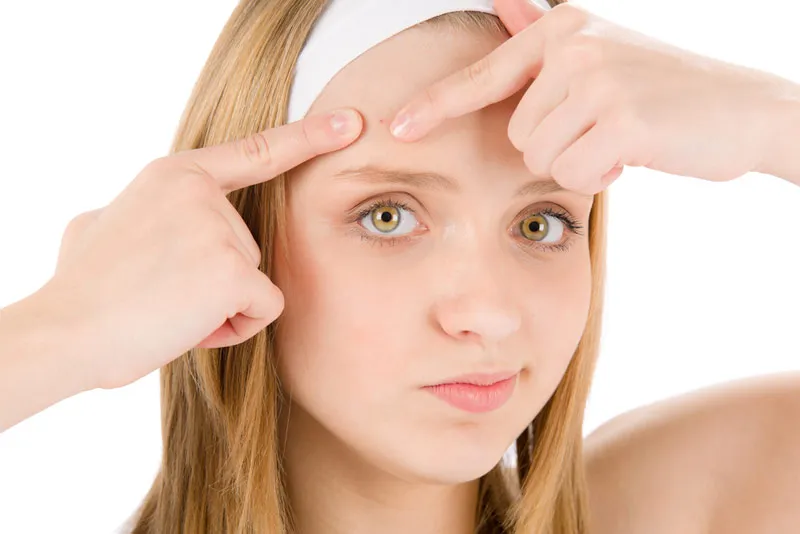
Teenagers rejoice, zit bacteria aren't all bad.
New research finds the microbes that cause the most common form of acne come in two flavors: the "bad" variety that causes pimples and the "good" type that may keep the skin glowing.
The findings, detailed in the Feb. 28 issue of the Journal of Investigative Dermatology, may explain why despite the fact that everyone's skin is crawling with zit bugs only one in five people develops acne in their lifetime.
"We hope to apply our findings to develop new strategies that stop blemishes before they start," said lead researcher Huiying Li of the David Geffen School of Medicine at UCLA. Li added the findings would allow dermatologists to personalize acne treatment based on "each patient's unique cocktail of skin bacteria."
Though acne affects 80 percent of the population at some point in their lives, scientists have made little progress in new treatments, according to Li and colleagues. The current antibiotics out there don't work on the most severe cases of acne, while other types of treatment have adverse side effects. [Body Bugs: 5 Surprising Facts About Your Microbiome]
Nose bacteria
In the study, Li and colleagues used pore-cleansing strips to collect acne bacteria, called Propionibacterium acnes, from the noses of about 100 volunteers, half of whom were pimply and the others clear-skinned. P. acnes lurks deep in skin pores, sometimes irritating the body's immune system to cause inflammation and the resulting red bumps we call pimples.
Get the world’s most fascinating discoveries delivered straight to your inbox.
From the nose samples, the researchers sequenced the genomes of 66 strains of P. acnes. They were interested in the genes unique to each variety that might distinguish clear skin from pimply.
"Two unique strains of P. acnes appeared in one out of five volunteers with acne, but rarely occurred in clear-skinned people," said Dr. Noah Craft, a dermatologist and director of the Center for Immunotherapeutics Research at LA BioMed at Harbor–UCLA Medical Center.
Next came the surprise: a third strain that commonly showed up in volunteers with healthy skin but only rarely in those with pimples.
"We suspect that this strain contains a natural defense mechanism that enables it to recognize attackers and destroy them before they infect the bacterial cell," Li said in a statement.
Related: The scientific reason people love pimple-popping videos
Zapping zits
The researchers think that increasing the body's good strain of P. acnes, possibly in the form of a cream, may stop zits in their tracks.
"This P. acnes strain may protect the skin, much like yogurt's live bacteria help defend the gut from harmful bugs," Li said. "Our next step will be to investigate whether a probiotic cream can block bad bacteria from invading the skin and prevent pimples before they start."
Other zit-zapping research has suggested benign viruses called bacteriophages that feed on bacteria and not human cells may do the trick. Scientists reported last year in the journal mBio they had found common, bacteriophages living on your skin could effectively kill P. acnes.
Follow LiveScience on Twitter @livescience. We're also on Facebook & Google+.
Jeanna Bryner is managing editor of Scientific American. Previously she was editor in chief of Live Science and, prior to that, an editor at Scholastic's Science World magazine. Bryner has an English degree from Salisbury University, a master's degree in biogeochemistry and environmental sciences from the University of Maryland and a graduate science journalism degree from New York University. She has worked as a biologist in Florida, where she monitored wetlands and did field surveys for endangered species, including the gorgeous Florida Scrub Jay. She also received an ocean sciences journalism fellowship from the Woods Hole Oceanographic Institution. She is a firm believer that science is for everyone and that just about everything can be viewed through the lens of science.