













How Seals Sleep With Half A Brain

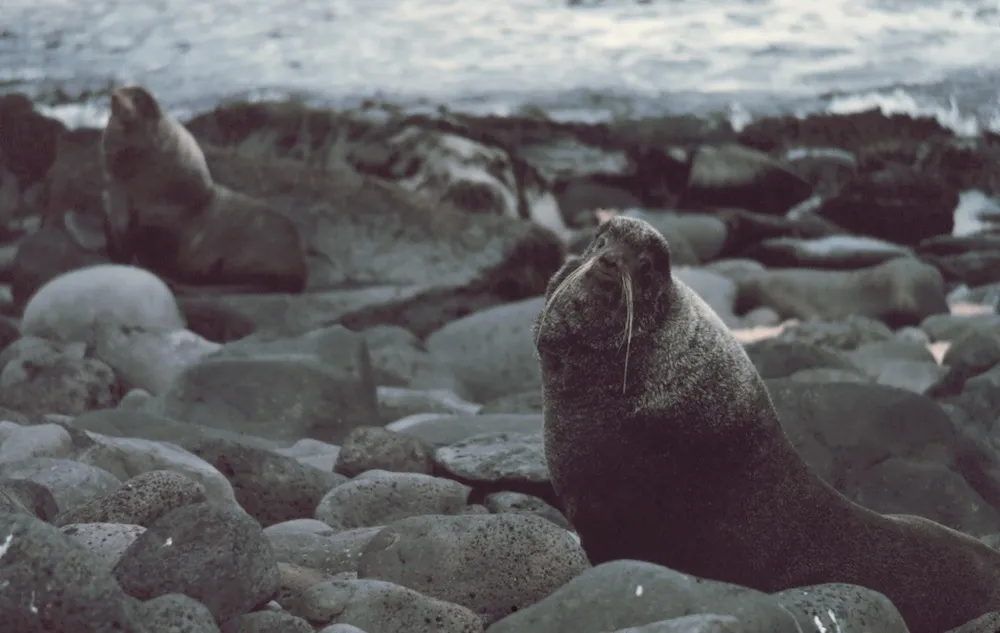
When a seal goes to sleep in the water, it shuts down just half of its brain at a time, much like a snoozing whale or dolphin. Now researchers say they know more about the chemicals behind the amazing ability.
"Seals sleep this way while they're in water, but they sleep like humans while on land. Our research may explain how this unique biological phenomenon happens," University of Toronto researcher John Peever said.
In experiments, Peever's colleague, doctoral student Jennifer Lapierre, measured levels of different brain chemicals in fur seals when they were awake and asleep.
Lapierre found that the neurotransmitter acetylcholine was at low levels on the sleeping side of the brain but at high levels on the waking side, suggesting it could be responsible alertness. That might not be all that surprising, considering that drugs known as anticholinergics work by blocking acetylcholine and are sometimes used to treat insomnia.
But serotonin, long thought to cause arousal in the mind, was found in equal amounts on both sides of the seals' brains as they slept. Serotonin levels did, however, spike when the seals were eating and being hosed with water, suggesting that the neurotransmitter might be linked to activities that involve both sides of the brain.
The researchers say their findings could have implications for humans and help scientists understand which brain chemicals keep people awake or asleep. The research was detailed online this month in the Journal of Neuroscience.
Follow LiveScience on Twitter @livescience. We're also on Facebook & Google+.
Get the world’s most fascinating discoveries delivered straight to your inbox.
