Madagascar Gets Biggest Lemur Park
Get the world’s most fascinating discoveries delivered straight to your inbox.
You are now subscribed
Your newsletter sign-up was successful
Want to add more newsletters?
Delivered Daily
Daily Newsletter
Sign up for the latest discoveries, groundbreaking research and fascinating breakthroughs that impact you and the wider world direct to your inbox.
Once a week
Life's Little Mysteries
Feed your curiosity with an exclusive mystery every week, solved with science and delivered direct to your inbox before it's seen anywhere else.
Once a week
How It Works
Sign up to our free science & technology newsletter for your weekly fix of fascinating articles, quick quizzes, amazing images, and more
Delivered daily
Space.com Newsletter
Breaking space news, the latest updates on rocket launches, skywatching events and more!
Once a month
Watch This Space
Sign up to our monthly entertainment newsletter to keep up with all our coverage of the latest sci-fi and space movies, tv shows, games and books.
Once a week
Night Sky This Week
Discover this week's must-see night sky events, moon phases, and stunning astrophotos. Sign up for our skywatching newsletter and explore the universe with us!
Join the club
Get full access to premium articles, exclusive features and a growing list of member rewards.
Good news for lemurs: Officials in Madagascar have created the island's biggest protected wildlife park. Named Makira Natural Park, the area is larger than the state of than the state of Rhode Island, and it provides a habitat for the highest diversity of lemurs on the planet, the Wildlife Conservation Society (WCS) announced.
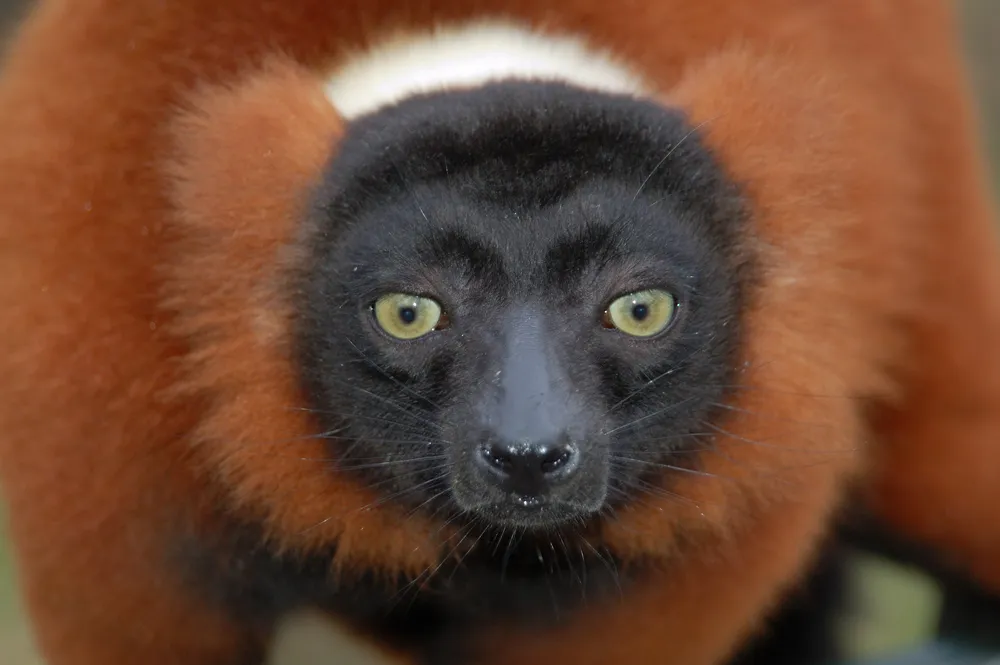
The park stretches over 1,438 square miles (372,470 hectares) of rainforest in northeastern Madagascar and contains 20 of the island’s 103 lemur species, including the red-ruffed lemur and the silky sifaka, WCS officials said. Lemurs, found only in Madagascar, were recently named the most endangered group of vertebrates on Earth. Along with lorises and bushbabies, lemurs belong to a group called prosimian primates, defined as all primates that are neither monkeys nor apes.

Makira Natural Park also will protect some less cuddly creatures, including the Madagascar serpent eagle and the island's only large predator, the cat-like fossa, which eats lemurs and needs large areas of intact forest to maintain healthy populations, WCS said.
Officials estimated that the new park combined with Madagascar's nearby Masoala National Park and the rest of the Antongil Bay watershed make up the island’s richest region in terms of biodiversity.
"This is truly a landmark in Madagascar’s ongoing commitment to protect its natural heritage," Cristián Samper, WCS president and CEO, said in a statement. "Makira Natural Park now represents the center of biodiversity conservation for the nation."
Get the world’s most fascinating discoveries delivered straight to your inbox.