 Live Science Plus






Conservation: A Popularity Contest?
You are now subscribed
Your newsletter sign-up was successful
Want to add more newsletters?

Delivered Daily
Daily Newsletter
Sign up for the latest discoveries, groundbreaking research and fascinating breakthroughs that impact you and the wider world direct to your inbox.
Once a week
Life's Little Mysteries
Feed your curiosity with an exclusive mystery every week, solved with science and delivered direct to your inbox before it's seen anywhere else.

Once a week
How It Works
Sign up to our free science & technology newsletter for your weekly fix of fascinating articles, quick quizzes, amazing images, and more

Delivered daily
Space.com Newsletter
Breaking space news, the latest updates on rocket launches, skywatching events and more!
Once a month
Watch This Space
Sign up to our monthly entertainment newsletter to keep up with all our coverage of the latest sci-fi and space movies, tv shows, games and books.

Once a week
Night Sky This Week
Discover this week's must-see night sky events, moon phases, and stunning astrophotos. Sign up for our skywatching newsletter and explore the universe with us!
Join the club
Get full access to premium articles, exclusive features and a growing list of member rewards.
This Research in Action article was provided to LiveScience in partnership with the National Science Foundation.
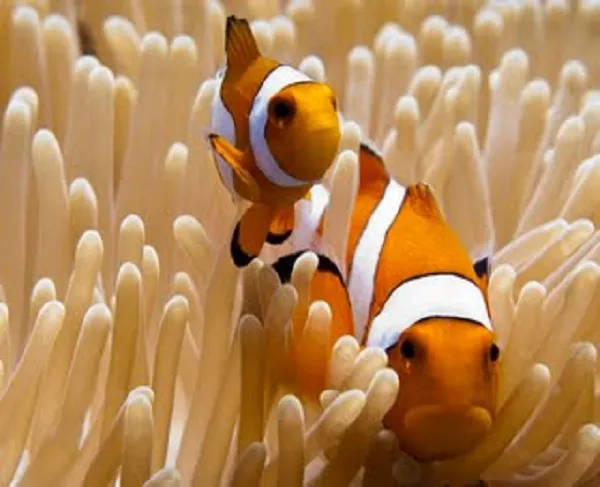
The clown anemonefish (Amphiprion ocellaris), shown here sheltering in a magnificent sea anemone (Heteractis magnifica), became one of the most recognizable and charismatic marine species after starring in the movie "Finding Nemo" (Walt Disney Pictures, 2003). Charisma can help the cause of conservation, as well-known species tend to garner greater conservation awareness, funding and legal protection.
This photo was taken by Natascia Tamburello in October 2010 at a depth of about 35 feet. The dive site, Halik, is located off of the island of Gili Trawangan in Indonesia — one of the few remaining relatively pristine reef ecosystems in the world.
Editor's Note: Any opinions, findings, and conclusions or recommendations expressed in this material are those of the author and do not necessarily reflect the views of the National Science Foundation. See the Research in Action archive.
