













Florida Cold Snap Devastated Coral Reefs

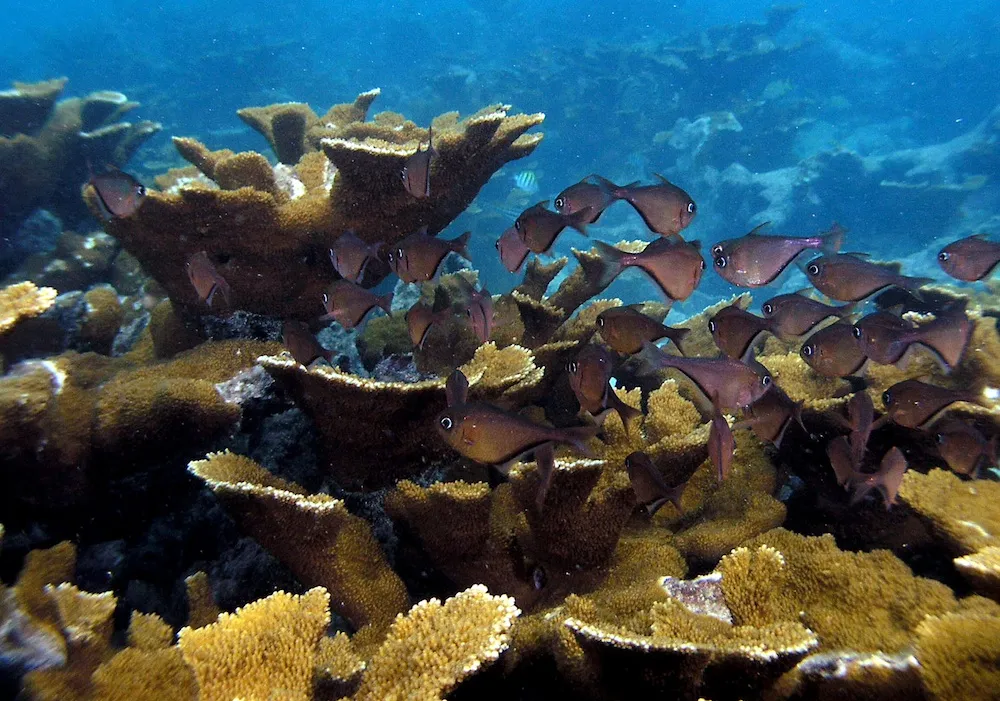
A 2010 cold snap in Florida caused widespread coral death in the reefs along the state's coast, a new study finds. In fact, the mortality rates from the cold were higher than in any other event on record.
"It was a major setback," said study researcher Diego Lirman, a professor of marine and atmospheric science at the University of Miami. "Centuries-old coral colonies were lost in a matter of days."
Winter temperatures in Florida that year hit record-breaking lows, driven down by cold air plunging southward from the Arctic. News organizations reported that Florida's tropical creatures struggled in the cold, including stubborn invasive species such as Burmese pythons and green iguanas.
Offshore, times were tough as well, researchers reported online Aug. 10, 2011, in the open-access journal PLoS Biology. The coral death rate shot up to 11.5 percent, compared with 0.5 percent in the previous five summers. The death rate dwarfs that of the summer of 2005, when Florida corals suffered high water temperatures and "bleached," the study found. Bleaching occurs when coral become stressed and expel the algae that help keep them alive. A few weeks of bleaching kills coral.
In some coral species, the researchers found, mortality rates hit 40 percent in the winter of 2010. Corals that had proved resilient to hotter-than-usual waters suffered when ocean temperatures dropped to 51 degrees Fahrenheit (11 degrees Celsius) in early January 2010.
"This was undoubtedly the single worst event on record for Florida corals," Lirman said in a statement.
Florida corals are vulnerable, because they're in the northernmost reaches of their range. Pollution, coastal development, overfishing and disease also strain coral reefs, which is within human control, Lirman said.
Get the world’s most fascinating discoveries delivered straight to your inbox.
"We can't protect corals from such an extreme event," Lirman said of the 2010 winter. "But we can mitigate other stresses to help them recover."
You can follow LiveScience senior writer Stephanie Pappas on Twitter @sipappas. Follow LiveScience for the latest in science news and discoveries on Twitter @livescience and on Facebook.

Stephanie Pappas is a contributing writer for Live Science, covering topics ranging from geoscience to archaeology to the human brain and behavior. She was previously a senior writer for Live Science but is now a freelancer based in Denver, Colorado, and regularly contributes to Scientific American and The Monitor, the monthly magazine of the American Psychological Association. Stephanie received a bachelor's degree in psychology from the University of South Carolina and a graduate certificate in science communication from the University of California, Santa Cruz.