













Weird venomous caterpillars that look like walking toupées are invading Virginia
Their stings are like a 'scorching hot knife.'

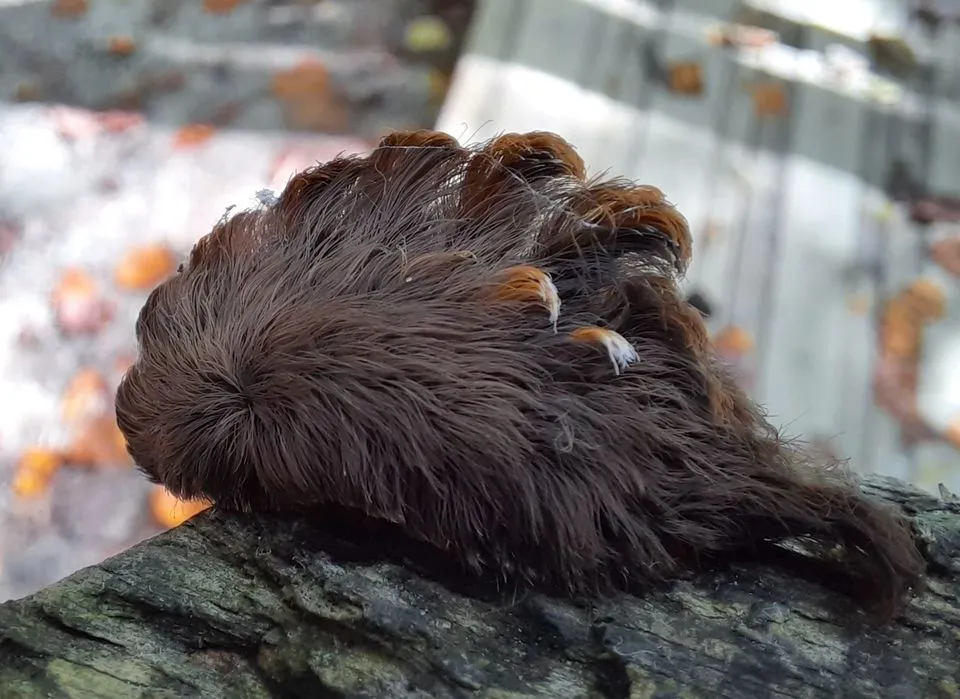
A bizarre little insect that looks like a walking toupée and squirts venomous pus from knifelike spines is terrorizing Virginia this year, according to the state's Department of Forestry (VDoF).
The venomous pus caterpillar is the larval form of the southern flannel moth (Megalopyge opercularis), and if you see one you should stay away from it. Its "hairs" are actually spines that make it among the most venomous caterpillars in the United States. A woman in New Kent County described the sensation of a "scorching hot knife passing through the outside of my calf" when she brushed against one on the door of her car, according to The Daily Progress.
Pus caterpillars have appeared in Virginia before, according to the VDoF. And they've been found as far north as New Jersey. But they're much more common in Florida and at greatest abundance in west-central Texas, according to the University of Florida. Eric Day, manager of Virginia Tech's Insect Identification Lab, told The Daily Progress that this appears to be "an outbreak year."
Related: Meet the colorful nocturnal moths of 'Mariposas nocturnas' (photos)
Climate change has made weather warmer in Virginia, as it has across much of the country.
"With changes in our climate, we're seeing some insects change their population," Theresa Dellinger, another researcher at the same lab, told CNN. "But it's too soon to tell. Caterpillars, moths and butterflies all have cyclical periods, it's all about the right time, and the right conditions."
Related:
CNN reported that the caterpillar's venom is similar enough to bee stings that people who have bad allergic reactions to bees will likely have bad reactions to the pus caterpillar as well.
Get the world’s most fascinating discoveries delivered straight to your inbox.
Virginia Tech published a document on what to do if "stung" by a poisonous caterpillar. Key steps: Wash the area to get rid of any hairs or harmful substances left over. Place tape over the area then rip it off to pull out hairs embedded in the skin. (Do this a few times, but use a fresh piece of tape each time.) Ice packs and steroid creams will reduce swelling and make the sting less painful. And anyone who's had a bad reaction to insects in the past or who was stung near the eyes should contact a doctor immediately.
CNN reported that for now the plan is to let the caterpillars' natural predators shrink their population in the state, but if they continue to spread unchecked the state might begin an eradication program.
Originally published on Live Science.
