


-
 There's an acidic zone 13,000 feet beneath the ocean surface — and it's getting bigger
The carbonate compensation depth — a zone where high pressure and low temperature creates conditions so acidic it dissolves shell and skeleton — could make up half of the global ocean by the end of the century.
rivers-oceans -
 Lake Kivu: The ticking time bomb that could one day explode and unleash a massive, deadly gas cloud
Lake Kivu, one of the African Great Lakes, sits along a tectonic plate boundary called the East African Rift, which is dotted with hot springs that feed carbon dioxide and methane into the water.
geology -
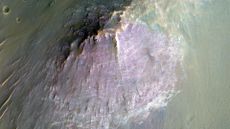 The speed of sound on Mars is constantly changing, bizarre study finds
New research shows that the speed of sound on Mars varies considerably by location and temperature. The findings could help scientists understand sounds picked up by Martian rovers, as well as make future crewed ventures safer.
mars -
 Will we ever be able to stop using plastic?
While the push to reduce carbon dioxide emissions is spurring alternatives to petroleum in other sectors, phasing out plastic, particularly for medical applications, will be very tough.
planet-earth -
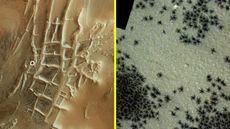 Hundreds of black 'spiders' spotted in mysterious 'Inca City' on Mars in new satellite photos
Every spring, creepy black 'spiders' sprout up on Mars as buried carbon dioxide ice releases dusty geysers of gas. New ESA images show the phenomenon has begun in the strange Inca City formation.
mars -
 Dying SpaceX rocket tears blood-red 'hole' in the sky over Texas — again
On April 10, a bright red atmospheric "hole" was spotted in the night sky above Texas shortly after SpaceX launched 23 Starlink satellites into space. It is the latest example of an increasingly common phenomenon caused by the company's dying rockets.
space-exploration -
 Breach of key global warming threshold 'inevitable' as carbon emissions hit record high
At the current emissions level, there is a 50% chance that global warming will exceed 1.5 degrees Celsius consistently in about seven years, new research suggests.
climate-change -
 NASA and India's debut climate satellite to launch in 2024. Here's what it'll do.
The NISAR satellite, a collaboration between NASA and India's space agency ISRO, will help scientists monitor how climate change is affecting Earth's varied landscapes.
space-exploration -
 The 'safe' threshold for global warming will be passed in just 6 years, scientists say
New research suggests we have just six years left to limit global warming to 1.5 degrees Celsius, and two decades to keep temperatures below the 2 C threshold in the Paris Agreement.
climate-change


