








-
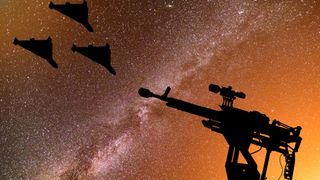 Poll'Of course I am worried': Live Science readers react to US weapons in space
Are you worried about an arms race in space? Live Science readers shared their thoughts.
-
-
 OpinionWe're not about to awaken an evil digital god — AI is far more likely to end in a great disappointment
AI is unlikely to launch a Hollywood-style war against us. Rather, the biggest danger of AI is that it will disappoint us, says Andrew Rogoyski.
4 Comments -
 PollAre you worried about the US deploying weapons in space?
The U.S. has confirmed that it has weapons in orbit, raising new concerns about the future of military competition. Live Science asks our readers what they think about this latest development.
3 Comments -
 Poll'Maybe robots can maintain houseplants': Readers react to letting humanoid robots take over their housework
Would you let a humanoid robot do your chores? Live Science readers shared their thoughts in a recent poll.
-
 Poll'Maybe that is how Transformers started': Readers react to the possibility of AI becoming self-aware
Could AI become conscious? Live Science readers revealed their thoughts about this technological possibility.
8 Comments
-


-
-
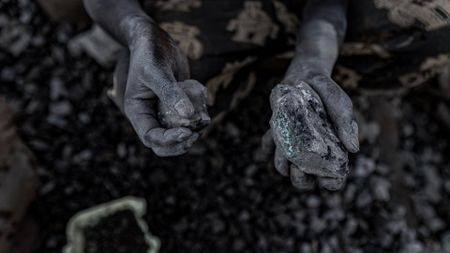 Opinion'Sacrifice zones' around critical mineral mines are rife with pollution, child workers and birth defects
The race to mine critical minerals for AI and clean energy is creating 'sacrifice zones' that harm water and health of world's poor.
-
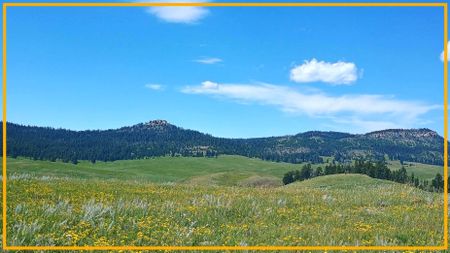 OpinionDrilling has begun at our sacred site Pe' Sla, setting a dangerous precedent for Indigenous lands across the country. It must be stopped.
Drilling in the 2-mile buffer zone of Pe' Sla, in the He Sapa (Black Hills) of South Dakota, shows even sacred lands protected by the U.S. government are not safe from the threat of destruction — and it should ring alarm bells everywhere.
6 Comments -
 OpinionHow everything you do is being monitored in an AI-fuelled 'surveillance capitalism system' that's ramping up aggressively
Personal data ranging from your health information to your location is being hoovered up by the government.
-
 OpinionHow likely are you to find a message in a bottle?
Have you ever wondered how likely it is to find a message in a bottle, especially an old one? Let's do the math.
-
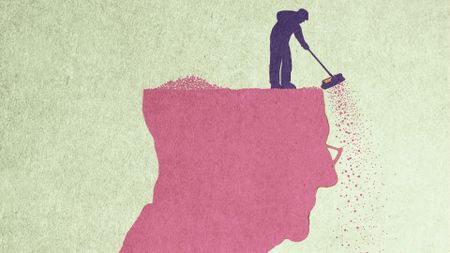 OpinionLoneliness may contribute to memory issues, but not dementia — they are 'not the same thing'
A researcher explains what we know — and what we don't — about the link between loneliness and memory problems.
-
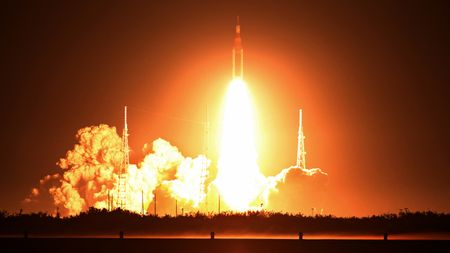 OpinionCan the US be trusted with the moon? A law scholar raises concerns after Artemis II's success.
The Artemis II moon mission was a great success. But America's longterm ambitions in space may deserve some scrutiny, a law scholar argues, given the nation's recent conduct on Earth.
-
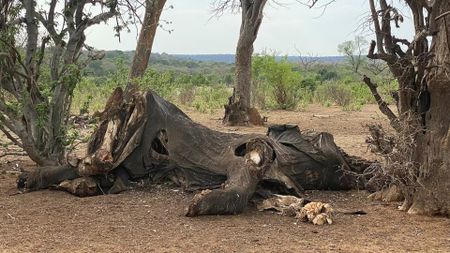 OpinionHuman ancestors butchered and ate elephants 1.8 million years ago, helping to fuel their large brains
A professor of anthropology explores how early hominins ate prehistoric elephants to survive.
-
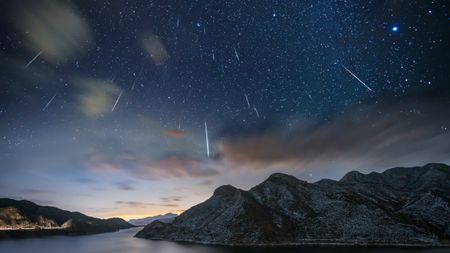 OpinionI found a new meteor shower — and it comes from an asteroid getting baked to bits by the sun
A NASA researcher in planetary sciences explains how he discovered a new meteor shower linked to a disintegrating asteroid.
-
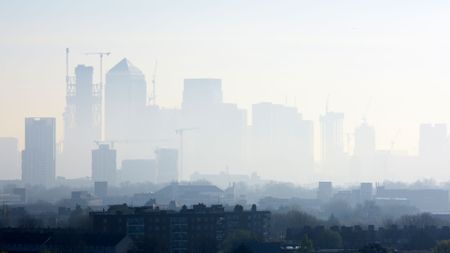 OpinionCalifornia declared war on smog in the 1970s. The knock-on effects were huge.
A professor of environmental law explores the 1970 Clean Air Act and it how it has effected car emissions and smog in the decades since.
-


