








-
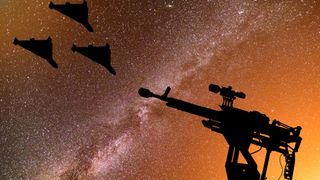 Poll'Of course I am worried': Live Science readers react to US weapons in space
Are you worried about an arms race in space? Live Science readers shared their thoughts.
-
-
 OpinionWe're not about to awaken an evil digital god — AI is far more likely to end in a great disappointment
AI is unlikely to launch a Hollywood-style war against us. Rather, the biggest danger of AI is that it will disappoint us, says Andrew Rogoyski.
4 Comments -
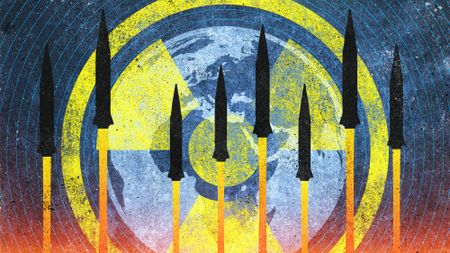 PollAre you worried about the US deploying weapons in space?
The U.S. has confirmed that it has weapons in orbit, raising new concerns about the future of military competition. Live Science asks our readers what they think about this latest development.
3 Comments -
 Poll'Maybe robots can maintain houseplants': Readers react to letting humanoid robots take over their housework
Would you let a humanoid robot do your chores? Live Science readers shared their thoughts in a recent poll.
-
 Poll'Maybe that is how Transformers started': Readers react to the possibility of AI becoming self-aware
Could AI become conscious? Live Science readers revealed their thoughts about this technological possibility.
8 Comments
-


-
-
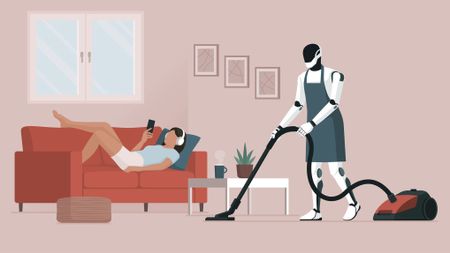 PollHave your say: Would you trust a humanoid robot with your household chores?
Humanoid robots are moving out of the lab and into people's homes, from $30-an-hour cleaners to $20,000 domestic helpers. Tell us in our poll if you'd let one loose with a mop.
3 Comments -
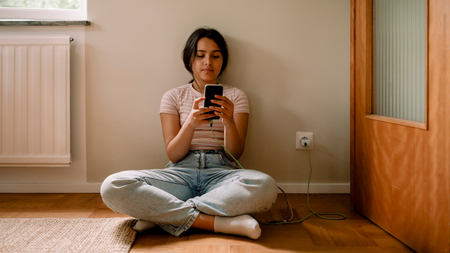 Health'I'm not sure how such a law could be enforced': Readers react to a possible social media ban for children
Do you think a social media ban for young users would be effective? Live Science readers revealed their thoughts in our latest poll.
3 Comments -
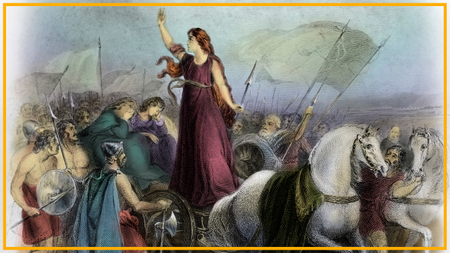 OpinionArchaeologists used to think women in prehistory wielded no power. Genetic data is upending that idea.
For more than 150 years, leading archaeologists have assumed that women of the past never assumed roles of power. New genetic data shows how flawed that interpretation is.
-
 PollDo you think social media bans will protect children?
Australia recently passed a law banning social media for children and younger teens, and other countries may follow suit. But do you think such bans will work?
6 Comments -
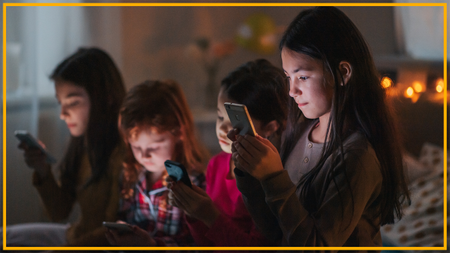 OpinionBefore we ban kids from social media completely, here's what we should try first
Countries like Australia are banning young users from creating social media accounts. But this may not be the best way to address the potential harms of such products.
-
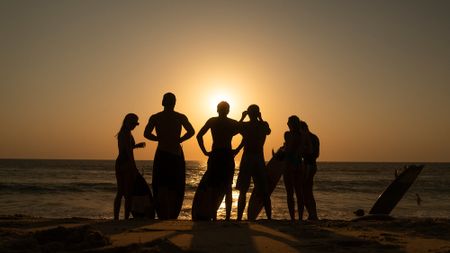 Poll'They'll surf into the eclipse': Readers share their plans for today’s epic solar eclipse and meteor shower mash-up
Are you watching the solar eclipse and Perseid meteor shower tonight? Live Science readers reveal their thoughts about tonight's stargazing phenomena
-
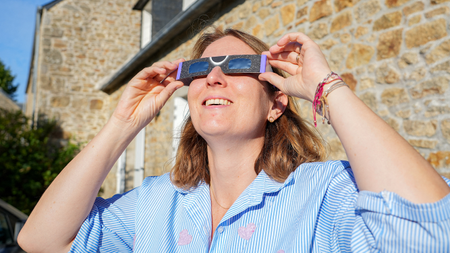 PollWill you be looking up on Aug. 12, the best skywatching day and night of the year?
Two big skywatching events are happening on Aug. 12. Will you have your eyes turned skyward? Let us know in our latest poll.
2 Comments -
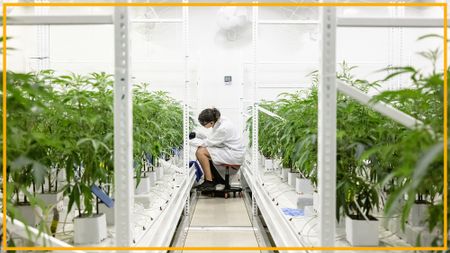 Opinion'Rescheduling' cannabis would ease restrictions on science, opening the door to the largest investment in cannabis research we've seen to date
Rescheduling cannabis could mark a major shift in research, but it alone will not eliminate the scientific, regulatory and patient-access challenges that have shaped medical cannabis for decades.
-
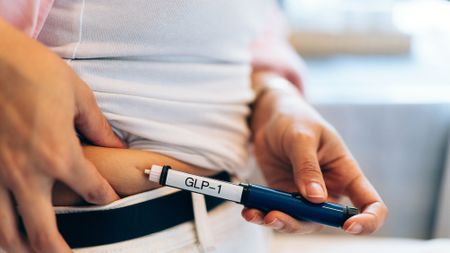 OpinionCan Ozempic prevent or treat cancer? It's way too soon to say, an expert cautions
Excitement around the idea that GLP-1 drugs can prevent cancer is running well ahead of the evidence, an expert explains.
-


