













Hundreds of animal species could harbor novel coronaviruses

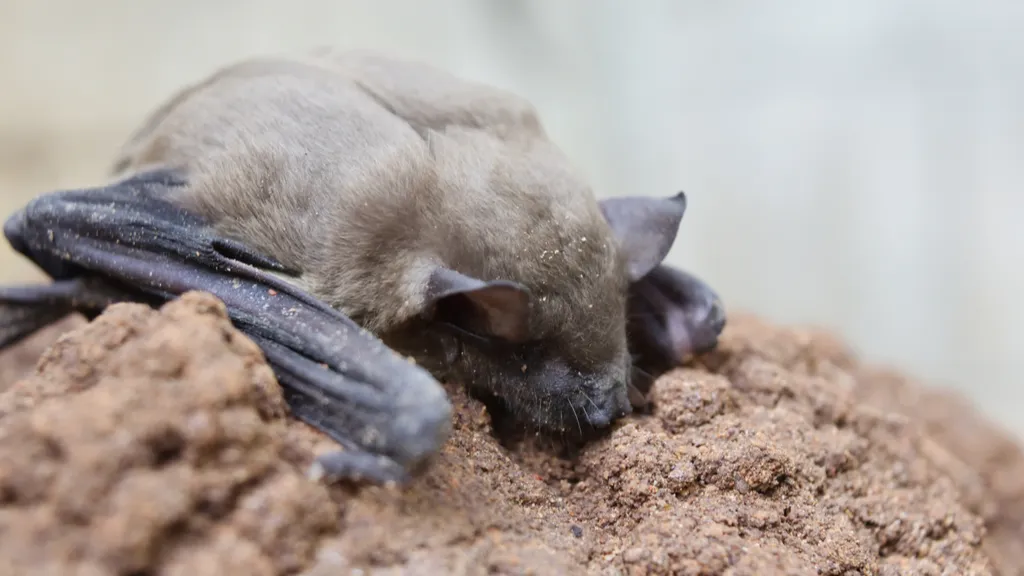
Hundreds of mammal species could serve as incubators for coronaviruses to mix and match with one another, potentially forming new viruses and fueling future pandemics, a new study predicts. These species include wild animals, such as bats and monkeys, as well as domestic animals, such as pigs and cats.
The study, published Feb. 16 in the journal Nature Communications, highlights the potential for coronaviruses to infect a wide range of hosts. In fact, the work identifies hundreds of animal species that may become infected with known coronaviruses, although many of these infections haven't been observed in the wild yet.
Coronaviruses make up a large family of viruses that can infect both birds and mammals; SARS-CoV-2, the virus that causes COVID-19, is just one member of the coronavirus family. For the research, the team drew the genetic sequences of 411 coronaviruses from GenBank, a National Institutes of Health database, and screened these sequences using a computer algorithm. The sequences represented 92 different species of coronavirus, with some species represented by more than one virus strain.
Related: 20 of the worst epidemics and pandemics in history
The algorithm predicted that, on average, each virus has more than 12 mammalian hosts. Each screened animal species, in turn, was predicted to be a potential host for more than five coronaviruses, on average.
Animals that can serve as hosts for many coronaviruses present the biggest threat; when several coronavirus strains invade the same cell, their genes can be mixed and matched as they replicate, thus generating new, patchwork viruses.
This genetic card shuffle, known as "recombination," could be especially dangerous if SARS-CoV-2 swapped genes with another coronavirus, the authors wrote. That's because the resulting virus could potentially be as infectious to humans as SARS-CoV-2 but could perhaps invade additional tissues or cause more severe disease. The model identified 126 nonhuman species that could potentially host SARS-CoV-2 and at least one other coronavirus, which could allow this troubling scenario to unfold.
Get the world’s most fascinating discoveries delivered straight to your inbox.
"More surprising than any individual animal was the wide range of animals predicted to be hosts to large numbers of coronaviruses," study authors Maya Wardeh, a data scientist, and Marcus Blagrove, a virologist, of the University of Liverpool in England, wrote in a joint statement to Live Science. "Everyone knows that bats are important, but we found lots of high-risk hosts all across the mammals, including rodents, primates [and] hoofed animals."
That said, just because two coronaviruses can invade the same animal, it doesn't mean they can and will recombine, said Arinjay Banerjee, a virologist at McMaster University in Ontario who was not involved in the study. Recombination requires the viruses to enter the same cell type and the infections to peak at the same time, among other logistics, he said. But the new study does provide a handy list of mammal species that should be monitored for coronavirus infections and recombination events in the future, he said.
A network of potential infection
To predict which mammals are likely coronavirus hosts, the authors created a computer algorithm that mapped out the connections between potential hosts and known coronaviruses. The algorithm analyzed known coronaviruses and looked at which animals they are known to infect. It then looked at other animals that were closely related, lived in similar habitats or ate the same kinds of diets, as they would be likely suspects to also harbor similar coronavirus populations. The algorithm also compared the genome sequences of different coronaviruses, with the idea that closely related coronaviruses would likely be able to infect similar hosts.
After finding these connections, the algorithm pinpointed which mammals could potentially harbor lots of coronaviruses and, therefore, be hotbeds of coronavirus recombination.
The team screened 876 mammal species using this algorithm, including 185 known coronavirus hosts. The remaining 691 species belonged to the same genus as a known host. The algorithm tested potential links between these animals and the 411 coronaviruses for which the complete RNA sequence is already known.
"These 411 viruses contain all seven coronaviruses known to infect humans, as well as the full range of other coronaviruses whose genomes have been sequenced," the authors said.
While all sequenced strains of SARS-CoV-2 were included in the analysis, they were treated as a single entity in the analysis. "SARS-CoV-2 variants are all very similar, with only relatively minor mutations; we would not expect our results for host specificity to be much different between them," the authors told Live Science.
Of the 126 species identified as potential hosts to SARS-CoV-2, several animals stood out as posing the highest risk of recombination. Some of these animals have already been flagged as potential recombination hosts for SARS-CoV-2, as well as for the related virus SARS-CoV, which caused outbreaks of severe acute respiratory syndrome in the early 2000s.
For example, the Asian palm civet (Paradoxurus hermaphroditus) was a predicted host for 32 coronaviruses, in addition to SARS-CoV-2. The greater horseshoe bat (Rhinolophus ferrumequinum) and intermediate horseshoe bat (Rhinolophus affinis) were predicted hosts for 67 and 44 additional coronaviruses, respectively, and the pangolin (Manis javanica) for 14.
In addition to these suspected hosts, the model highlighted wild animals that haven't previously been linked to SARS-CoV-2 recombination. These included the lesser Asiatic yellow bat (Scotophilus kuhlii), chimpanzee (Pan troglodytes) and African green monkey (Chlorocebus aethiops). The common hedgehog (Erinaceus europaeus), European rabbit (Oryctolagus cuniculus) and domestic cat (Felis catus) are also likely hosts for co-infection and recombination, the model predicted.
But the "most prominent result for a SARS-CoV-2 recombination host is the domestic pig (Sus scrofa)," predicted to harbor 121 coronaviruses in addition to SARS-CoV-2, the authors wrote.
"Given the large number of coronaviruses our framework predicts the pig can be infected with, we would suggest monitoring of pigs in 'high-risk' [living conditions]," the authors told Live Science. For instance, pigs kept in close quarters to other high-risk farm animals would be considered high-risk, while pigs kept in isolation from other animals would be relatively low risk, they said.
High-risk scenarios
The study also identified 102 potential species that could be co-infected with SARS-CoV-2 and MERS-CoV, the coronavirus that causes Middle East Respiratory Syndrome (MERS). MERS has a far higher case-fatality rate than COVID-19, estimated at about 35%, so the recombination of these two viruses could be extremely dangerous, making the resultant virus both highly transmissible and likely to cause severe disease, the authors said.
The model also predicted possible interactions that didn't include SARS-CoV-2 at all. The team found many genetically diverse coronaviruses might be able to mingle and swap their RNA; for instance, 291 mammal species were predicted hosts of coronaviruses from four or more different subgenera, a taxonomic subcategory below genus and above species.
However, it's more likely for coronaviruses from the same subgenus to recombine than viruses from different subgenera, Banerjee said. "We don't know if different subgenera would recombine; it's unlikely, but it hasn't been experimentally demonstrated," he said.
The domestic pig, lesser Asiatic yellow bat, and greater and intermediate horseshoe bats all cropped up as likely hosts for these recombination events, but additional species also appeared on the high-risk list. Notably, this included the dromedary camel (Camelus dromedarius), a known coronavirus host and the primary transmitter of MERS-CoV to humans.
Related Content
Looking forward, the study authors plan to develop a similar model for avian species, to see which birds might be a source of coronavirus recombination; known avian coronavirus hosts include the turkey (Meleagris gallopavo) and guinea fowl (Numida meleagris), among others, according to a 2005 report in Avian Pathology. After gathering data on birds, the team wants to model how often potential coronavirus hosts across the animal kingdom come in contact with one another.
"This will allow estimations of where within the geographical range a host species is most at risk, and thus target surveillance more specifically to both 'what and where,'" the authors said. In addition, they plan to incorporate clinically relevant data into their predictions, addressing which viruses are known to cause disease in humans and what kind of symptoms they trigger.
For now, the likelihood of recombination in different species is uncertain, as is the risk that these theoretical mash-ups might make people sick, Banerjee said. But "my takeaway from this manuscript is [to] extend surveillance to understudied and underappreciated potential reservoirs of coronaviruses," Banerjee said. A reservoir species would carry coronaviruses without falling ill itself but then pass the viruses on to other animals that do become sick; bats are a major reservoir for coronaviruses, for example.
Such early identification of potential hosts for coronaviruses could help scientists develop targeted surveillance programs to catch recombination "as it is happening and before a major outbreak," the authors wrote. And in the event of an outbreak, scientists could easily reference the record of coronaviruses found in high-risk animals in order to identify the new pathogen, Banerjee said.
Originally published on Live Science.

Nicoletta Lanese is the health channel editor at Live Science and was previously a news editor and staff writer at the site. She is a recipient of the 2026 AHCJ International Health Study Fellowship, with a project focused on antibiotic stewardship practices in Japan and the U.S. They hold a graduate certificate in science communication from UC Santa Cruz and degrees in neuroscience and dance from the University of Florida. Beyond Live Science, Lanese's work has appeared in The Scientist, Science News, the Mercury News, Mongabay and Stanford Medicine Magazine, among other outlets. Based in NYC, she also remains involved in dance and performs in local choreographers' work.