


-
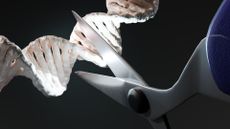 'Enhancing' future generations with CRISPR is a road to a 'new eugenics,' says ethicist Rosemarie Garland-Thomson
"Eugenics seeks to improve by eliminating the characteristics considered at a particular time and place to be disadvantages and to maximize those considered normal."
genetics -
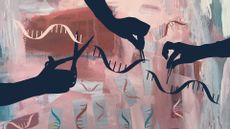 'Who are we to say they shouldn't exist?': Dr. Neal Baer on the threat of CRISPR-driven eugenics
Dr. Neal Baer discusses a new book about the incredible promise and potential pitfalls of CRISPR gene-editing technology.
genetics -
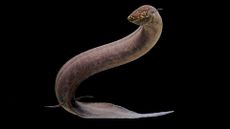 Largest animal genome sequenced — and just 1 chromosome is the size of the entire human genome
Scientists sequenced the largest known animal genome in a species of lungfish — ancient fish that breathe air.
genetics -
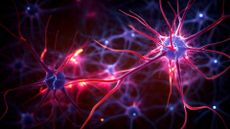 Some people recover from ALS — now, we might know why
A rare gene variant may explain why a subset of patients with ALS recover from the deadly disease.
genetics -
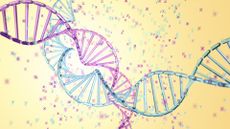 Why genetic testing can't always reveal the sex of a baby
Gender and sex are more complicated than X and Y chromosomes.
genetics -
 Restless legs syndrome tied to 140 'hotspots' in the genome
A new study has identified more than 140 novel genetic risk factors associated with the development of restless legs syndrome.
genetics -
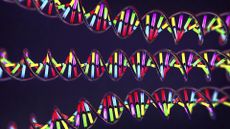 'Fossil viruses' embedded in the human genome linked to psychiatric disorders
Certain stretches of ancient viral DNA in the human genome may increase the chances of developing three neuropsychiatric disorders.
genetics -
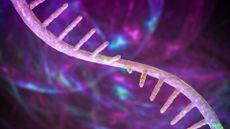 New genetic cause of intellectual disability potentially uncovered in 'junk DNA'
Mutations in "junk DNA" could be responsible for rare genetic cases of intellectual disability, new research hints.
genetics -
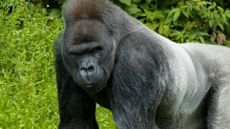 The same genetic mutations behind gorillas' small penises may hinder fertility in men
Scientists have used the gorilla genome to probe for previously unknown genes that may contribute to infertility in men.
genetics


