


-
 Leonardo da Vinci's DNA may be embedded in his art — and scientists think they've managed to extract some
In a first, scientists have extracted DNA from a Renaissance-era drawing attributed to Leonardo da Vinci, but they can't be sure that the genetic material belongs to the Italian polymath.
2 Commentsgenetics -
 5 genetic 'signatures' underpin a range of psychiatric conditions
A study suggests psychiatric disorders can share the same genetic signatures and that they may stem from shared biological mechanisms.
9 Commentsgenetics -
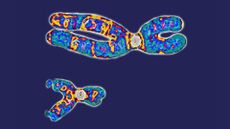 Woman had her twin brother's XY chromosomes — but only in her blood
Doctors discovered a woman had "blood chimerism" after examining the chromosomes of cells from different parts of her body.
3 Commentsgenetics -
 James Watson, controversial co-discoverer of DNA's structure, dies at 97
Opinion James Watson, who co-won the Nobel Prize for discovering DNA's structure, was a towering and controversial figure in science.
Opinion -
 Unique gene variants in the Turkana people of Kenya may help them survive harsh desert heat
Scientists discovered genetic variants in the Turkana that help conserve water in deserts, but these variants may now raise disease risks in urban settings, early data suggest.
genetics -
 Genetics: How do we inherit traits from our ancestors?
Discover interesting facts about how traits are passed down over generations through DNA.
genetics -
 A tragic gene therapy death that stalled the field for a decade — Sept. 17, 1999
Sept. 17, 1999: Jesse Gelsinger died after receiving a gene therapy treatment to treat a liver disease. The death sparked an investigation and caution around gene therapy, which ultimately stalled the field for years.
genetics -
 Gene that human ancestors lost millions of years ago could help treat gout
Researchers used evolutionary genetics and CRISPR gene editing tech to develop an innovative treatment for gout. The approach has yet to be tested in humans.
2 Commentsgenetics -
 Scraps of ancient viruses make up 40% of our genome. They could trigger brain degeneration.
Our genomes are peppered with DNA segments called retrotransposons that can move from place to place. When unleashed, some can kill nerves and promote inflammation — a discovery that may inspire treatments for neurodegeneration.
genetics


