 Live Science Plus





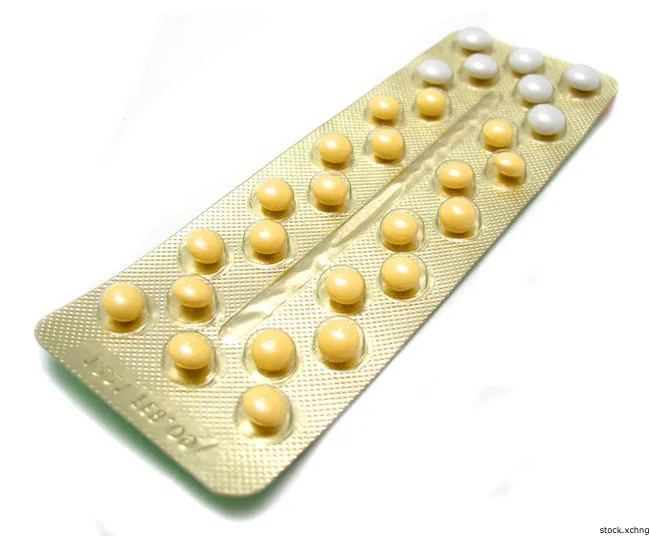
The Pill and other contraceptive methods that alter a woman's natural hormonal cycles may also alter their choice of partners and possibly their reproductive success, according to a new review of studies on the issue published in the October issue of the journal Trends in Ecology and Evolution. Even men's choices may be affected.
Women are only fertile for a brief period during their menstrual cycle, just prior to ovulation. Many scientific studies have established that partner preferences of both women and men vary significantly according to predictable hormonal fluctuations associated with the natural menstrual cycle. Ovulation is associated with a profound shift in some female physical characteristics, behaviors and perceptions related to mate attraction.
Article continues belowAlso, some studies have suggested that men detect women's fertility status, preferring ovulating women in situations where they can compare the attractiveness of different women.
The oral contraceptive pill alters the hormonal fluctuations associated with the menstrual cycle and essentially mimics the more steady hormonal conditions associated with pregnancy.
"Although mate choice studies in humans have routinely recorded pill use during the last decade to control for its confounding effects, little effort has been invested in understanding the consequences of such effects of the pill," said study author Alexandra Alvergne from the University of Sheffield.
Alverne and colleague Virpi Lumma reviewed and discussed new research supporting the conclusion that use of the pill by women disrupted their variation in mate preferences across their menstrual cycle. The authors also speculate that the use of oral contraceptives may influence a woman's ability to attract a mate by reducing attractiveness to men, thereby disrupting her ability to compete with normally cycling women for access to mate.
Of particular interest is the fact that women taking the pill do not exhibit the ovulation-specific attraction to genetically dissimilar partners. "The ultimate outstanding evolutionary question concerns whether the use of oral contraceptives when making mating decisions can have long-term consequences on the ability of couples to reproduce," suggests Lummaa.
Taken together, an increasing number of studies suggest that the pill is likely to have an impact on human mating decisions and subsequent reproduction. "If this is the case, pill use will have implications for both current and future generations, and we hope that our review will stimulate further research on this question," Lummaa said.
- 5 Myths About Women's Bodies
- The History and Future of Birth Control
- How Safe is the Pill?

