

-
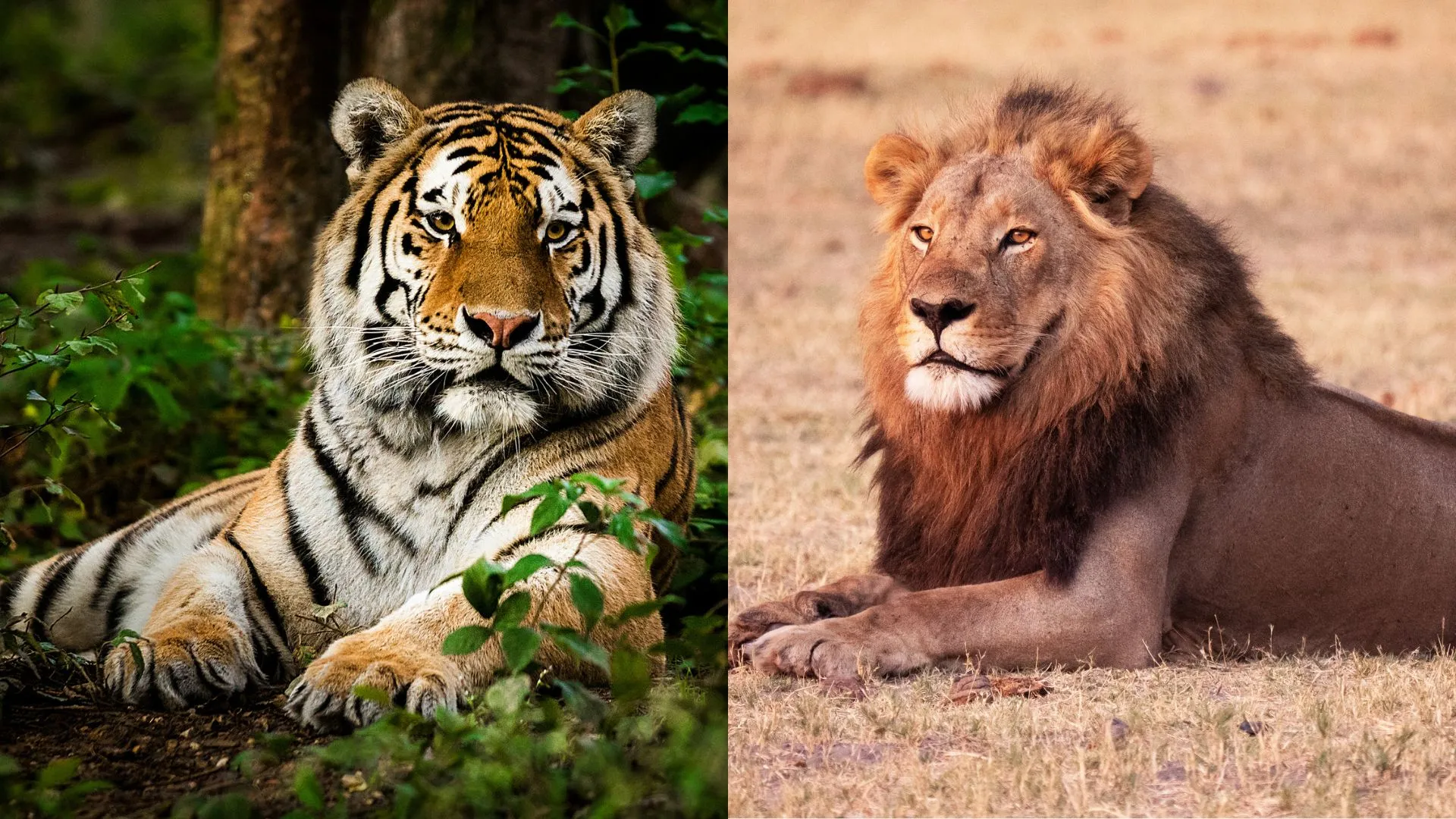
 Why do cats and dogs shake their heads?
Life's Little Mysteries Cats often flick their heads back and forth as if they've been possessed. This strange reflex has a simple explanation.
2 CommentsLife's Little Mysteries -
 Chimpanzees in Uganda are locked in a deadly 'civil war' after their group split apart — and scientists don't know why
The first well-observed "civil war" in wild chimpanzees reveals that shifting social ties alone can fracture a group, igniting deadly conflict between former friends.
8 Commentsprimates -
 Critically endangered hare spotted in surprising location for the first time in 40 years — but it was already dead
Scientists in China have announced the first confirmed sighting of the critically endangered Hainan hare in part of its native range in four decades, after spotting its completely flattened carcass on a roadside.
land-mammals -
 'Parasites of human societies': How did we end up so close to cats?
Book In the book "The Call of the Honeyguide," applied ecologist Rob Dunn explores mutually beneficial relationships between different species. But Dunn argues the relationship between humans and cats may force a rethink of what shape these mutualisms can take.
30 CommentsBook -
 Bonobos are just as aggressive as chimps, but there's a key difference — the female bonobos
A new study of chimpanzee and bonobo groups at zoos reveals similar levels of aggression. However, scientists found stark sex-based differences between the species.
6 Commentsprimates -
 Scientists find 2 marsupial species, thought to have gone extinct 6,000 years ago, living in the forests of New Guinea
The pygmy long-fingered possum and the ring-tailed glider, two marsupials believed to have died out thousands of years ago, are still alive in Papuan Indonesia.
land-mammals -
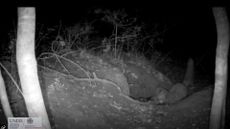 'Striking' footage captures the moment a red fox preys on a wolf pup — a behavior never seen on film before
Scientists in Italy captured a red fox entering a den as part of a project to understand wolf population dynamics in the country.
land-mammals -
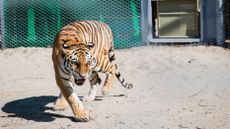 Kazakhstan plants tens of thousands of trees in giant effort to reintroduce tigers
Kazakhstan planted 37,000 seedlings and cuttings in South Balkhash last year to prepare for the return of its tigers, which disappeared more than 70 years ago.
cats -
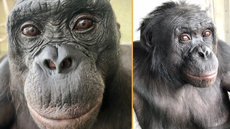 Kanzi the bonobo could play pretend — a trait thought unique to humans
Past anecdotal observations have hinted that great apes play pretend. But now, experimental research shows that our closest living relatives can keep track of imaginary objects.
3 Commentsland-mammals


