 Live Science Plus





You are now subscribed
Your newsletter sign-up was successful
Want to add more newsletters?

Delivered Daily
Daily Newsletter
Sign up for the latest discoveries, groundbreaking research and fascinating breakthroughs that impact you and the wider world direct to your inbox.

Once a week
Life's Little Mysteries
Feed your curiosity with an exclusive mystery every week, solved with science and delivered direct to your inbox before it's seen anywhere else.

Once a week
How It Works
Sign up to our free science & technology newsletter for your weekly fix of fascinating articles, quick quizzes, amazing images, and more
Delivered daily
Space.com Newsletter
Breaking space news, the latest updates on rocket launches, skywatching events and more!
Once a month
Watch This Space
Sign up to our monthly entertainment newsletter to keep up with all our coverage of the latest sci-fi and space movies, tv shows, games and books.
Once a week
Night Sky This Week
Discover this week's must-see night sky events, moon phases, and stunning astrophotos. Sign up for our skywatching newsletter and explore the universe with us!
Join the club
Get full access to premium articles, exclusive features and a growing list of member rewards.
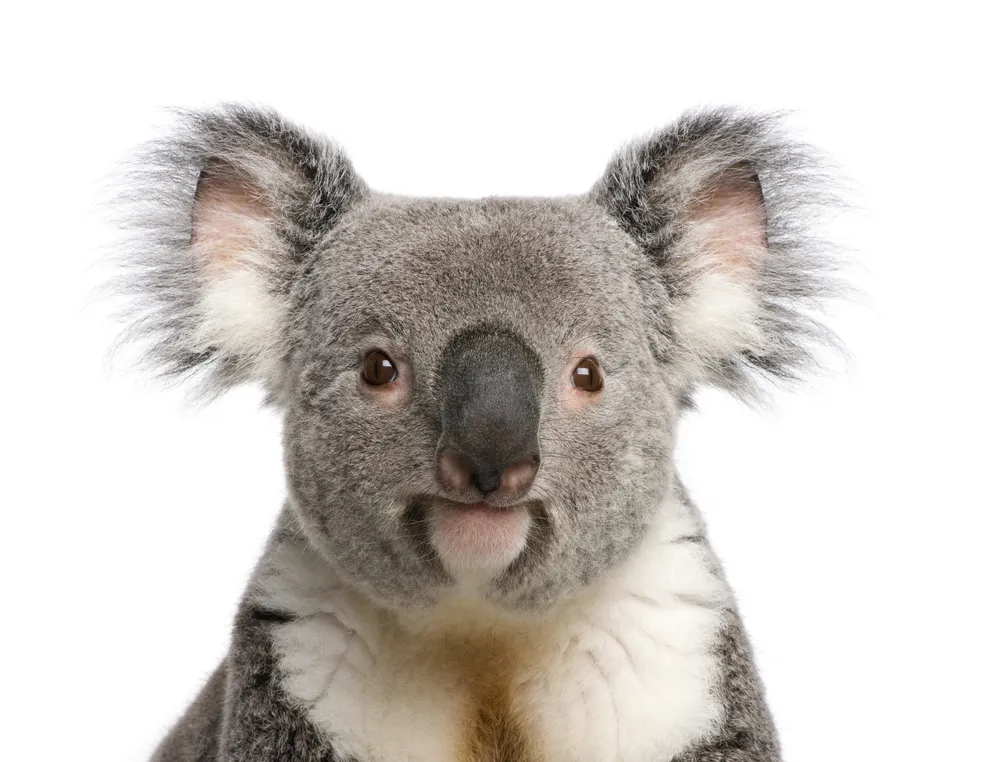
If koalas could talk, they might say: "Hey, humans. We're not bears."
And they'd be right. Though koalas are often called "koala bears," they are not bears. In fact, they're not even that closely related.
Koalas and bears share scientific classification up to the class level, Mammalia, before they begin to branch apart. Koalas fall first into the infraclass Marsupialia — animals characterized by giving birth to underdeveloped young, which the mothers then raise in a pouch — and then into the order Diprotodontia, family Phascolarctidae, and genus Phascolarctos.
Phascolarctos cinereus, are the lone extant representative of Phascolarctidae, which also includes six well-known fossil species, five lesser-known fossil species, and two fossil species that are debatable. Three subspecies of koala have been described, though many biologists believe these distinctions are arbitrary and invalid, so all koalas currently fall under cinerus.
Koalas are more closely related to kangaroos and wombats, which are both members of Diprotodontia, than bears, which belong to the order Carnivora. (Kangaroos and wombats, we might add, are also not bears.)
So, how did they get stuck with the "bears" moniker? English-speaking settlers from the late 18th century first called it such because of its (miniature) bear-like appearance and behavior. It's a mistake that has been reflected in the scientific history of the animal: Phascolarctos, is derived from Greek phaskolos "pouch" and arktos "bear."
