













Acupuncture Causes Woman's Lung to Collapse
Although rare, piercing the lung through an acupuncture pressure point in the shoulder is a well-known risk.

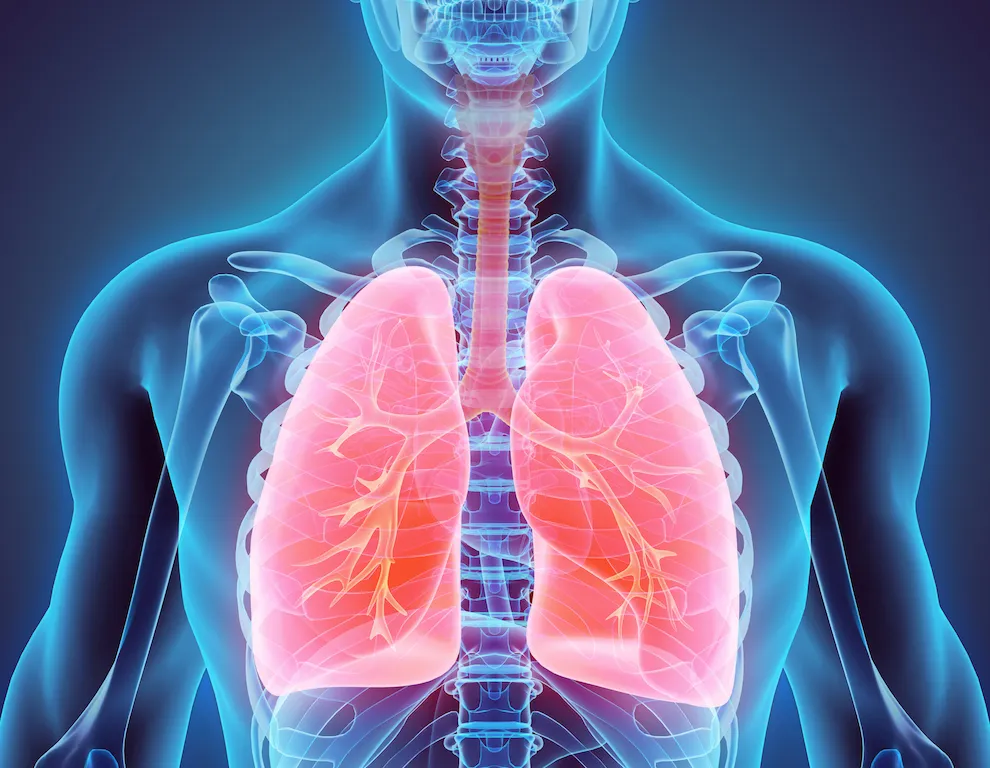
It's the stuff of nightmares: An acupuncturist in New Zealand accidentally pierced her patient's lungs while inserting needles into the patient's shoulder, causing the organ to collapse.
The 33-year-old woman went to the acupuncture clinic in March following arm and wrist injuries that caused pain in her shoulders. To alleviate the discomfort, her acupuncturist inserted two needles near a spot known in Chinese medicine as the Jian Jing pressure point, or Gallbladder 21, which lies near the top of the shoulders.
It also rests dangerously close to the apices of the lungs — the pointed ends of the organ near the neck. At Gallbladder 21, the surface of the lung lies only 0.4 to 0.8 inches (10 to 20 millimeters) beneath the skin, according to the World Health Organization (WHO).
Related: 27 Oddest Medical Cases
When the needles were inserted, the patient felt a twinge of pain and later recalled that the instruments felt "extremely deep," according to a report filed by New Zealand's Health and Disability Commissioner. The acupuncturist left the needles in for 30 minutes before twisting and removing them, an action that left the patient feeling a sudden "right-sided chest pain and shortness of breath." The patient said she also felt a "stuffy" sensation 10 minutes later, so the acupuncturist removed all of the remaining needles, administered additional treatment, and sent the patient home with instructions to rest and pay attention to her breathing.
Once home, the patient felt persistent pain in the left side of her chest and numbness in the right side. Later that night, she was admitted to the emergency department, where she was diagnosed with bilateral apical pneumothoraces, meaning both of her lungs had collapsed. The pneumothoraces were produced by the acupuncture treatment, which caused gas to be released into her chest cavity.
Although these occurrences are rare, acupuncturists occasionally pierce patients' lungs through the Jian Jing pressure point. About 30% of the cases of pneumothorax due to acupuncture are caused by the insertion of needles into that particular spot, according to a 2010 study by the WHO. Per New Zealand's Code of Health and Disability Services Consumers' Rights, this well-established risk should be spelled out for patients before any needles enter their skin.
Get the world’s most fascinating discoveries delivered straight to your inbox.
The acupuncturist in this case reportedly failed to inform her patient of these risks and neglected to have her sign a required written consent form. The commissioner recommended that the acupuncturist receive additional training and that the clinic audit whether other clients had received informational brochures and signed consent forms prior to treatment, according to the New Zealand Herald.
You can read more about the case in the New Zealand Herald.
- These 'Barbaric' Medical Treatments Are Still Used Today
- 10 Medical Conditions That Sound Fake But Are Actually Real
- Do Natural Remedies Really Work?
Originally published on Live Science.

Nicoletta Lanese is the health channel editor at Live Science and was previously a news editor and staff writer at the site. She is a recipient of the 2026 AHCJ International Health Study Fellowship, with a project focused on antibiotic stewardship practices in Japan and the U.S. They hold a graduate certificate in science communication from UC Santa Cruz and degrees in neuroscience and dance from the University of Florida. Beyond Live Science, Lanese's work has appeared in The Scientist, Science News, the Mercury News, Mongabay and Stanford Medicine Magazine, among other outlets. Based in NYC, she also remains involved in dance and performs in local choreographers' work.