














First Frozen Coral Sperm and Egg Bank Created

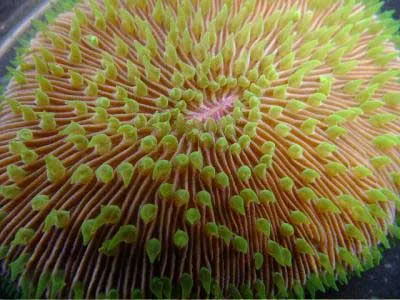
Scientists in Hawaii have set up the first frozen bank for corals to save threatened species of this vital ocean ecosystem anchor from extinction.
Researchers warn that without swift action, coral reefs and many of the animals that depend on them may cease to exist within the next 40 years, causing the first global extinction of a worldwide ecosystem in modern history.
The new frozen coral cell bank, at a University of Hawaii laboratory on Coconut Island in Kaneohe Bay, has already successfully thawed frozen sperm samples and fertilized coral eggs to produce developing coral larvae.
(Coral structures are made up of hundreds of coral polyps, or animals that build the reefs. In various ways, the polyps produce sperm and egg cells, which ultimately produce a baby coral called a planula.)
"Because frozen banked cells are viable, the frozen material can be thawed one, 50 or, in theory, even 1,000 years from now to restore a species or population," said Mary Hagedorn, an adjunct faculty member at the Hawaii Institute of Marine Biology and a research scientist with the Smithsonian Conservation Biology Institute, which has its headquarters in Virginia.
Done properly over time, researchers can store samples of frozen material and place them back into ecosystems to infuse new genes and vigor into natural populations, thereby enhancing the health and viability of wild coral stocks.
Coral reefs are living, dynamic ecosystems that provide invaluable services: They act as nursery grounds for marine fish and invertebrates, provide natural storm barriers for coastlines, purify carbon dioxide from the atmosphere and are potential sources for undiscovered pharmaceuticals.
Get the world’s most fascinating discoveries delivered straight to your inbox.
Currently, coral reefs are experiencing unprecedented levels of degradation due to human impact. Globally, greenhouse gases from burning fossil fuels are warming the oceans, making them more acidic and causing corals to stress and bleach. As a result, the corals are more susceptible to emergent diseases.
In Hawaii, reefs are affected by pollution and sedimentation from poor land-use practices, nutrient run-off from farms and waste-treatment plants, and destructive practices such as dynamite fishing and trawls.
"This work highlights the importance of basic science and discovery for developing creative solutions to pressing conservation problems," said Steve Monfort, director of the Smithsonian Conservation Biology Institute. "We are confident that this effort will one day help to restore these vital marine ecosystems."
Currently, the Hawaiian bank contains frozen sperm and embryonic cells from mushroom coral (Fungia scutaria) and rice coral (Montipora capitata), but the researchers hope to store many of the corals that are important to Hawaiian reefs.
However, scientists warn that saving reef habitat alone will not stop corals' decline because many of the most serious threats are global rather than local.
- 8 of the World's Most Endangered Places
- Mass Coral Die-off Triggered by 93-Degree Ocean
- Oceans in Peril: Primed for Mass Extinction?
This article was provided by OurAmazingPlanet, a sister site to LiveScience.
