














New Outbreak in Flint: What is Shigellosis?

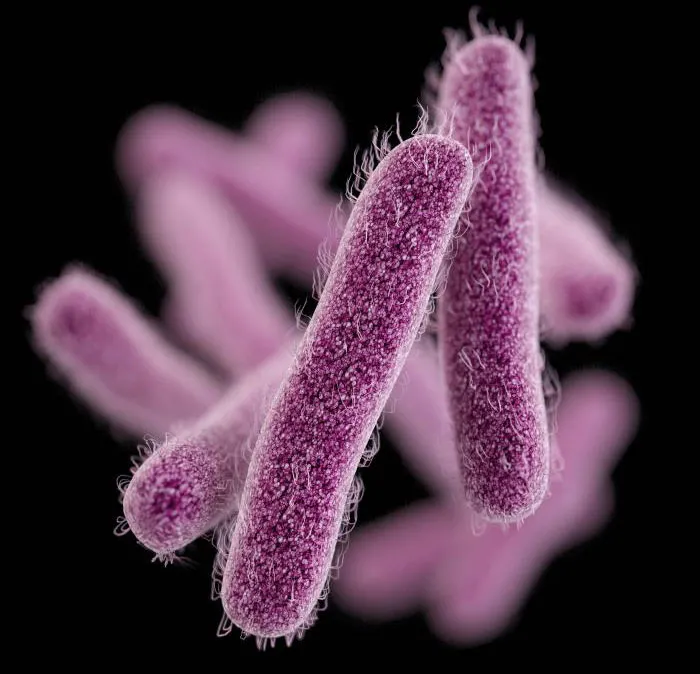
The city of Flint, Michigan, is seeing a rise in cases of a bacterial illness called shigellosis, and the ongoing water crisis there may be in part to blame, according to news reports.
So far this year, there have been 85 cases of shigellosis in Genesee County, which includes Flint, according to The New York Times. That's the highest number of shigellosis cases among all counties in Michigan this year.
A statement from Genesee County Health Department in September said that cases of the bacterial illness are up in both the county and the state. In the entire state of Michigan, there were 454 cases of shigellosis this year, and there were 515 cases in 2015. That compares to 175 cases in 2013 and 249 cases in 2012.
Shigellosis is a very contagious gastrointestinal disease caused by the bacteria Shigella. There are about 500,000 cases of the illness each year in the United States, according to the Centers for Disease Control and Prevention (CDC). Symptoms include diarrhea, fever and abdominal pain, and usually last a week, although it may take several months for people's bowel habits to return to normal after infection, the CDC said.
The Shigella bacteria are spread through contact with fecal matter. People can become infected if they eat food or touch surfaces that have been contaminated with Shigella. Careful handwashing with soap and water can reduce the spread of the disease, the CDC said. [Top 7 Germs in Food that Make You Sick]
But residents of Flint may have changed their handwashing habits as a result of the city's water crisis, CNNreported. In 2014, the city changed the source of its water supply, and that change resulted in an increase in the water's levels of lead. Exposure to this lead may have caused health problems, including rashes, hair loss and neurological issues, The New York Times reported.
Distrust in the city's water caused people to bathe and wash their hands less frequently, Jim Henry, the environmental health supervisor of Genesee County told CNN. "People have changed their behavior regarding personal hygiene. They're scared," Henry was quoted as saying.
Get the world’s most fascinating discoveries delivered straight to your inbox.
Residents have been using baby wipes to wash their hands, but because these wipes aren't chlorinated, they don't kill bacteria, Henry said. "It doesn't replace handwashing," he said.
The Genesee County Health Department's statement encouraged residents to wash their hands for at least 20 seconds each time, particularly after using the bathroom and before preparing food.
If people do not have soap and water, they can use alcohol-based hand sanitizer with at least 60 percent alcohol to prevent the spread of Shigella, according to the San Francisco Department of Public Health.
Original article on Live Science.

Rachael is a Live Science contributor, and was a former channel editor and senior writer for Live Science between 2010 and 2022. She has a master's degree in journalism from New York University's Science, Health and Environmental Reporting Program. She also holds a B.S. in molecular biology and an M.S. in biology from the University of California, San Diego. Her work has appeared in Scienceline, The Washington Post and Scientific American.