













YouTube's Maddie Moate Tells Kids: 'Get Curious!'


In this series of articles, some of YouTube's most popular science channels take a turn in the spotlight. Their creators employ a range of techniques and styles, weaving together graphics, footage, animation, sound design, and a general curiosity about the world around them, exploring and sharing the unexpected and fascinating details of their unique science stories.
Maddie Moate: Science for kids and families
Children are curious about the world around them — sometimes to the point of obsession — and why shouldn't they be? Growing up means discovering things for the first time, and there are plenty of opportunities in nature for kids to indulge their curiosity and learn unexpected secrets by taking a closer look at the plant and animal life that they see every day.
Even young children can dive deeply into everyday science with the help of simple experiments and guidelines created by scientists and educators, such as seeing their own DNA or identifying the different bird species that live in their backyards. [Easy Answers to the Top 5 Science Questions Kids Ask]
On YouTube, Maddie Moate uses video to explore the natural world and technology, bringing the excitement of science to young audiences and their families. From explaining what a scientist is to embarking on a jaunt around the world's oldest dinosaur theme park, Moate's topics engage viewers by combining education with a generous dose of entertainment.
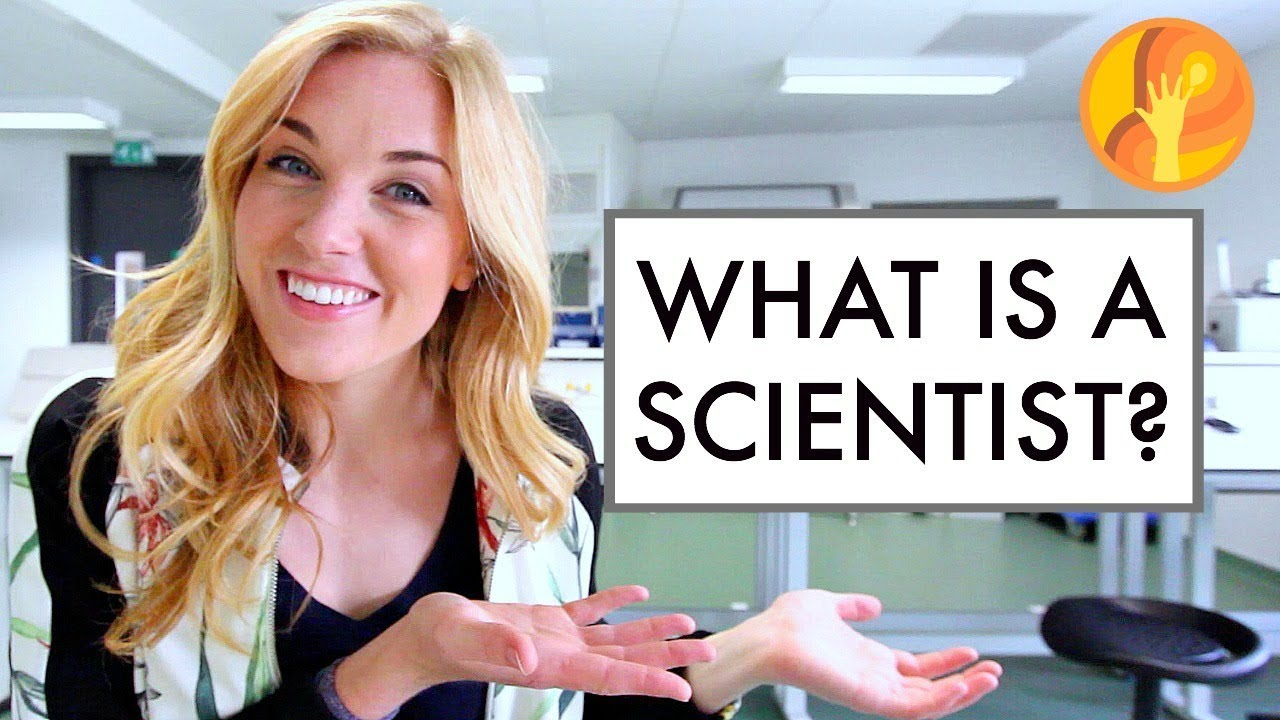
Moate told Live Science that as a child she was passionate about science, particularly the natural sciences and natural history. She reconnected with her geekier side as an adult by producing apps, videos and websites, eventually finding an audience on YouTube by making comedy videos for the channel Lady Geek TV that skewered smartphone companies' sexist advertising campaigns.
That led to work for the BBC, hosting a channel about wildlife that highlighted their unusual bodies and behaviors. Moate recognized that children have an innate interest in wild animals, which makes them eager to learn more about them.
"It's lovely to have this willing audience," Moate said. "And also, working with children was something I always wanted to do."
Get the world’s most fascinating discoveries delivered straight to your inbox.
The experience prompted Moate to make her own science videos for children. She currently produces several science-themed playlists for her channel, including investigations of local and elusive wildlife, looking at the food we eat and how it grows, and chronicles of her adventures in backyard beekeeping with her mother.
Recently, Moate was invited to curate science videos for a new YouTube initiative #TodayILearned, to engage children with fun and educational content. She selected videos and compiled a playlist titled "Get Curious!" available on the YouTube Kids app.
Moate chose videos that would represent all the different ways that children can absorb information: Through reading, exploring, asking questions, and visiting museums, she told Live Science.
"The idea is for videos to inspire kids to have fun learning, and hopefully be proud of it," Moate said.

YouTube videos can be particularly effective at reaching people and getting them interested in science because many of them add a personal touch to the storytelling, she added — such as her own beekeeping videos, which feature her family and her pets.
"On YouTube, science stories are often told from a personal perspective," Moate explained. "Audiences keep coming back because they're following a personality. That combination of following an individual and their telling science stories is really engaging."
Got a favorite science channel on YouTube that you think we should feature? Tell us about it in the comments or on Twitter and Facebook!
Original article on Live Science.

Mindy Weisberger is a science journalist and author of "Rise of the Zombie Bugs: The Surprising Science of Parasitic Mind-Control" (Hopkins Press). She formerly edited for Scholastic and was a channel editor and senior writer for Live Science. She has reported on general science, covering climate change, paleontology, biology and space. Mindy studied film at Columbia University; prior to LS, she produced, wrote and directed media for the American Museum of Natural History in NYC. Her videos about dinosaurs, astrophysics, biodiversity and evolution appear in museums and science centers worldwide, earning awards such as the CINE Golden Eagle and the Communicator Award of Excellence. Her writing has also appeared in Scientific American, The Washington Post, How It Works Magazine and CNN.