













Why Neanderthals Likely Fathered Few Kids with Modern Humans

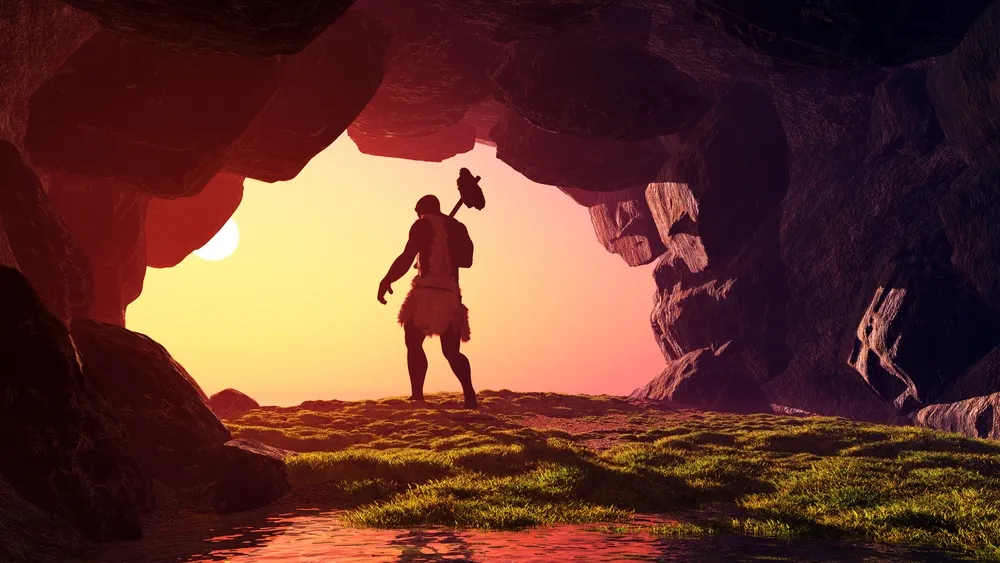
Humans today often carry around a small chunk of DNA from Neanderthals, suggesting we interbred with our closest known extinct relatives at some point in our history. So why isn't there more Neanderthal DNA in modern humans?
Turns out, the Y chromosome may have been key in keeping the two lineages apart by creating conditions that might often have led to miscarriages if or when the two got together, researchers now say.
Recent findings suggest that Neanderthals, who lived in Europe and Asia, may have died out about 40,000 years ago.
In 2010, scientists first sequenced the Neanderthal genome. That work revealed that Neanderthals once interbred with ancestors of modern humans — about 1.5 to 2.1 percent of the DNA of anyone outside Africa is Neanderthal in origin. [In Photos: Neanderthal Burials Uncovered]
The last major component of the Neanderthal genome that scientists had not analyzed was the Y chromosome. In modern humans and Neanderthals, the Y chromosome determines if someone is male in sex.
Now researchers have completed the first in-depth analysis of a Neanderthal Y chromosome. They focused on a Neanderthal male found in El Sidrón, Spain. Overall, the differences between the Neanderthal and modern human Y chromosomes suggest these lineages diverged almost 590,000 years ago, consistent with previous research.
The Neanderthal Y chromosome was genetically distinct from any seen in modern humans. This suggests that this El Sidrón male's lineage is extinct, without any living carriers in modern humans. It remains uncertain how much other Neanderthal Y chromosomes resembled or differed from this one.
Get the world’s most fascinating discoveries delivered straight to your inbox.
Further analysis revealed that genetic mutations might explain why this Neanderthal Y chromosome was lost in modern humans. Three mutations seen on this chromosome generate molecules that can trigger immune responses from women during pregnancy that can lead to miscarriages, and two of these three mutations are unique to Neanderthals.
The researchers suggest that such genetic incompatibilities between Neanderthals and modern humans may have helped drive these lineages apart by discouraging interbreeding between them.
"We should pay attention to the potential role of immune incompatibilities in population isolation," study lead author Fernando Mendez, a population geneticist at Stanford University, told Live Science.
In future research, scientists could analyze more Y chromosomes from a variety of male Neanderthals, Mendez said. Lab experiments could then determine the effect of these newfound Neanderthal mutations on interactions between male cells and female immune cells. The result might also confirm the idea that these mutations helped keep Neanderthals and modern humans apart, he added.
Mendez and his colleaguesdetailed their findings in the April 7 issue of the American Journal of Human Genetics.
Follow Charles Q. Choi on Twitter @cqchoi. Follow us @livescience, Facebook&Google+. Original article on Live Science.
