














Russia Blocks Bid to Protect Antarctic Waters

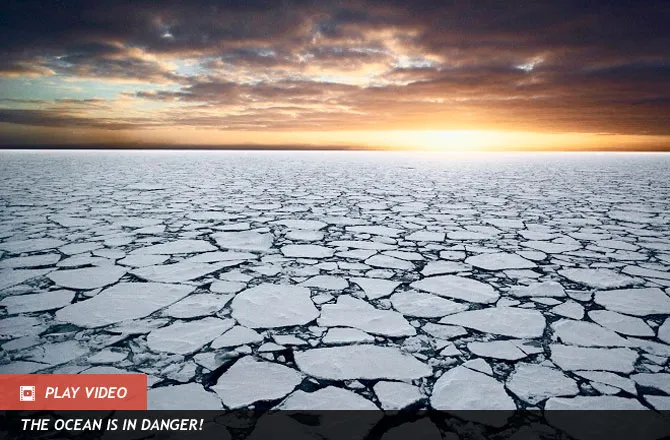
Russia shot down a bid to create vast marine sanctuaries in Antarctica's waters, rousing dismay among environmental groups.
Delegations from 24 countries and the European Union met in Germany this week to decide whether to adopt two proposals to designate Marine Protected Areas (MPAs) around the frozen continent. But Russia, with some support from Ukraine, questioned the legal authority of the group to establish such reserves.
The MPAs would restrict fishing in certain areas and are designed to preserve habitats for iconic species, like whales and emperor penguins, and maintain sustainable stocks of commercially valuable fish in Antarctica's fragile waters. One proposed MPA, submitted by the United States and New Zealand, would cover 2.3 million square kilometers of the Ross Sea; the other, put forth by Australia, France and the European Union, would create a group of seven protected areas in East Antarctica.
Both proposals had been submitted last October at the annual meeting of the Commission for the Conservation of Antarctic Marine Living Resources (CCAMLR). When member nations failed to reach a consensus then, they called for this week's special meeting in Germany. The delegates will take up the issue again at the next annual meeting, in Hobart, Tasmania.
A statement from the Antarctic Ocean Alliance said the lack of agreement represents "the loss of an extraordinary opportunity to protect the global marine environment for future generations." Andrea Kavanagh of the Pew Charitable Trusts' ocean science division, faulted Russia for stalling progress on protecting Antarctica's waters and putting international cooperation at risk. "It is imperative that countries send their representatives back to the table in Hobart three months from now to find consensus to protect marine life in Antarctic waters and safeguard some of the most pristine ocean areas on Earth," Kavanagh said in a statement.
Follow Megan Gannon on Twitter and Google+. Follow us @livescience, Facebook& Google+. Original article on LiveScience.com.
Get the world’s most fascinating discoveries delivered straight to your inbox.
