













Oklahoma Tornado: How to Ease Children's Anxiety

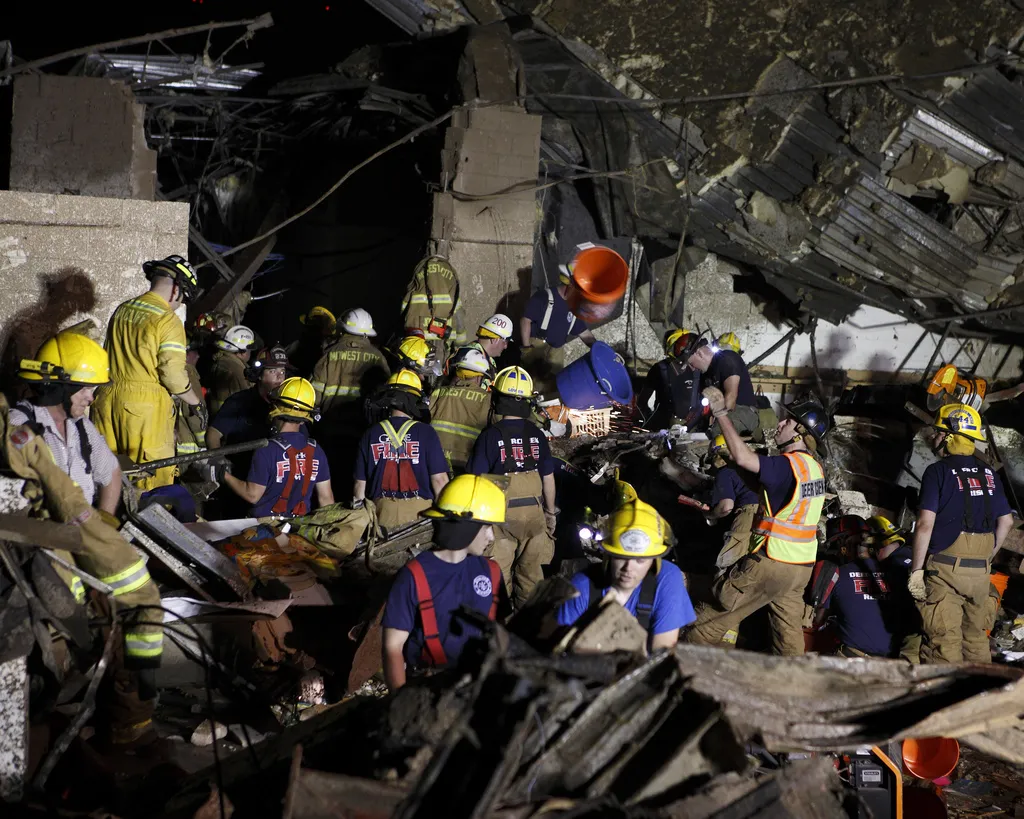
Children may develop anxiety, especially about going to school, after hearing the news that children in Moore, Okla., died when a powerful tornado struck schools, experts say.
As of Tuesday (May 21) morning, at least 24 people — including nine children — were reported to have died after an EF-4 tornado raged through the Oklahoma City suburb on Monday afternoon. (The situation is still unfolding, and those numbers are subject to change. The EF-4 rating is preliminary.)
Two schools — Plaza Towers Elementary School in Moore, and Briarwood Elementary School in Oklahoma City — were devastated by the storm.
"Parents need to reassure children that schools are safe places," said Dr. Victor Fornari, director of child and adolescent psychiatry at North Shore-LIJ Health System in New Hyde Park, N.Y. "Every time something like this happens, it challenges our beliefs in our safety."
Children may cite physical complaints, such as stomachaches and headaches, and say they do not want to go to school. "These are normal reactions," Fornari said. Parents should try to distinguish between physical complaints resulting from feelings of anxiety, and when their kids are actually sick.
"For many kids, a description of feeling sick is really a description of their worry," he said. Parents may tell children that rare, unpredictable storms can cause destruction, "but we can't live our lives in fear," Fornari said.
Even if children are feeling more anxious than usual, they should go to school, he said.
Get the world’s most fascinating discoveries delivered straight to your inbox.
The reason it's important to reassure children that they are safe is that unchecked anxiety can interfere with children's ability to function. Some anxiety is useful, because it helps us avoid dangers, he said. "But too much can be immobilizing," he said.
About 10 percent of children have anxiety disorders that may make them especially prone to feelings of worry after the Oklahoma tragedy. Such children may have previously had separation anxiety, obsessive-compulsive disorder or generalized anxiety.
These children, who are "already anxiously wired," may become particularly anxious about whether school is a safe place, he said. They need a lot of reassurance.
Tragedies that occur after natural disasters have a different feel for children than events related to terrorism or criminal activity, Fornari said. Natural disasters feel less sinister, but they may also leave people feeling that there is nothing that can be done to prevent them, he said.
Reminding kids of their school's plan for what to do in the event of a disaster may help, he said.
It's important for parents to recognize their own reactions to tragic events, and monitor their own coping strategies, because children will mirror what they see their parents doing, Fornari said. Parents should reach out to extended family members, friends or mental-health professionals if they are having a difficult time.
"When parents are coping with and managing their anxiety, children will too," he said.
Follow Karen Rowan @karenjrowan. Follow MyHealthNewsDaily @MyHealth_MHND, Facebook & Google+. Originally published on LiveScience.
