 Live Science Plus





You are now subscribed
Your newsletter sign-up was successful
Want to add more newsletters?

Delivered Daily
Daily Newsletter
Sign up for the latest discoveries, groundbreaking research and fascinating breakthroughs that impact you and the wider world direct to your inbox.

Once a week
Life's Little Mysteries
Feed your curiosity with an exclusive mystery every week, solved with science and delivered direct to your inbox before it's seen anywhere else.
Once a week
How It Works
Sign up to our free science & technology newsletter for your weekly fix of fascinating articles, quick quizzes, amazing images, and more

Delivered daily
Space.com Newsletter
Breaking space news, the latest updates on rocket launches, skywatching events and more!
Once a month
Watch This Space
Sign up to our monthly entertainment newsletter to keep up with all our coverage of the latest sci-fi and space movies, tv shows, games and books.

Once a week
Night Sky This Week
Discover this week's must-see night sky events, moon phases, and stunning astrophotos. Sign up for our skywatching newsletter and explore the universe with us!
Join the club
Get full access to premium articles, exclusive features and a growing list of member rewards.
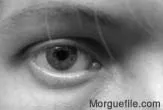
Scientists have figured out why we rarely notice our own blinking. Our brains simply miss it, they say.
The quest for the new discovery began in the 1980s, when researchers found that visual sensitivity starts decreasing just before we blink. But what goes on in the brain remained a mystery.
When the test subjects blinked, the amount of light hitting their retinas didn't change. Activity in their brains was monitored by functional magnetic resonance imaging.
During blinking, brain activity was suppressed in areas that respond to visual input, the scientists report.
"Transiently suppressing these brain areas involved in visual awareness during blinks may be a neural mechanism for preventing the brain from becoming aware of the eyelid sweeping down over the pupil during a blink and the world going dark," said Christopher Frith at the University College London.
The results are detailed in the July 26 issue of the journal Current Biology.

