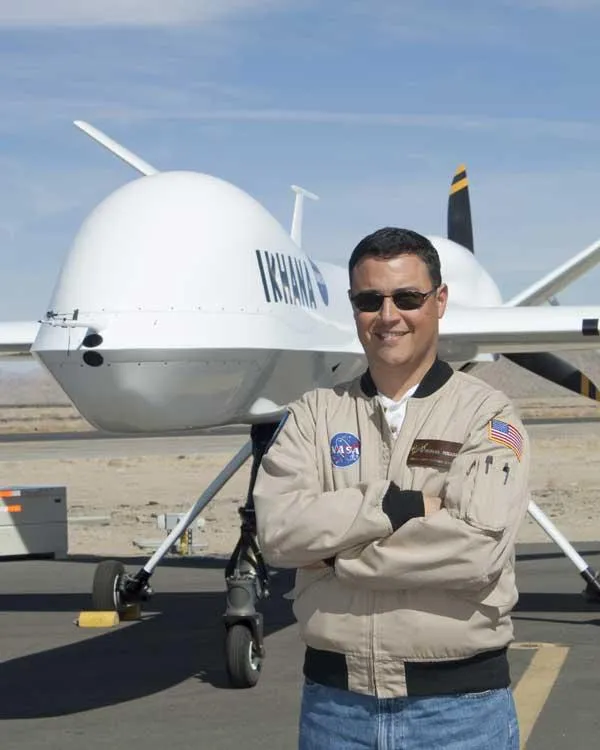
Chat Up a Hurricane-Hunting Drone Pilot
Get the world’s most fascinating discoveries delivered straight to your inbox.
You are now subscribed
Your newsletter sign-up was successful
Want to add more newsletters?
Delivered Daily
Daily Newsletter
Sign up for the latest discoveries, groundbreaking research and fascinating breakthroughs that impact you and the wider world direct to your inbox.
Once a week
Life's Little Mysteries
Feed your curiosity with an exclusive mystery every week, solved with science and delivered direct to your inbox before it's seen anywhere else.
Once a week
How It Works
Sign up to our free science & technology newsletter for your weekly fix of fascinating articles, quick quizzes, amazing images, and more
Delivered daily
Space.com Newsletter
Breaking space news, the latest updates on rocket launches, skywatching events and more!
Once a month
Watch This Space
Sign up to our monthly entertainment newsletter to keep up with all our coverage of the latest sci-fi and space movies, tv shows, games and books.
Once a week
Night Sky This Week
Discover this week's must-see night sky events, moon phases, and stunning astrophotos. Sign up for our skywatching newsletter and explore the universe with us!
Join the club
Get full access to premium articles, exclusive features and a growing list of member rewards.
If you've ever wondered what it's like to send an enormous machine streaking through the skies with the mere touch of a button, now you can find out.
Well, OK, flying a NASA drone is probably a little more complicated than that, but if you want the inside scoop on how it's really done, ask a man who does it for a living.
And whether your question is in English or in Spanish, bilingual NASA drone pilot Herman Posada can give you an answer.
Posada, a research pilot at NASA's Dryden Flight Research Center, in Edwards, Calif., will be available for a web conversation tomorrow afternoon. He flies Ikhana, an unmanned Predator B craft modified for non-military missions, and NASA's Global Hawk unmanned aircraft, a vessel that's been busy flying into hurricanes this season.
This link will go live at 2:30 p.m. ET tomorrow (Sept. 23), and the conversation gets started half an hour later.
Get the world’s most fascinating discoveries delivered straight to your inbox.