














4 Dead from New Bird Flu in China

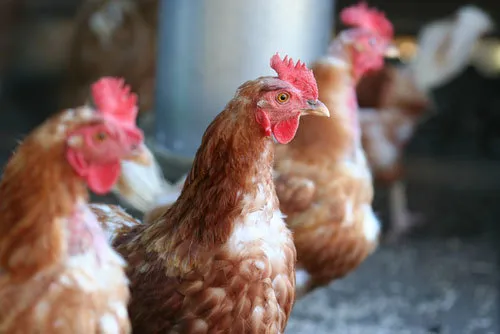
A new strain of bird flu in China has so far sickened eleven people, and now the number of deaths has risen to four, according to news reports. This is the first time researchers have seen this flu strain, called H7N9, in people, although it was known to infect birds.
Most of those who fell sick lived on China's east coast, but so far, researchers have not found a connection between the cases, and the virus does not appear to spread between people. Three of the deaths occurred in Shanghai, and one in the Zhejiang province. [See New Bird Flu Virus: 6 Things You Should Know].
Health officials continue to look for the source of the virus. It's likely that "there's a lot of something infected with it," Dr. Richard Webby, a bird flu expert and infectious disease researcher at St. Jude Children's Research Hospital, told LiveScience, but whether that "something" is birds or another organism remains to be seen, he said.
Get the world’s most fascinating discoveries delivered straight to your inbox.

Rachael is a Live Science contributor, and was a former channel editor and senior writer for Live Science between 2010 and 2022. She has a master's degree in journalism from New York University's Science, Health and Environmental Reporting Program. She also holds a B.S. in molecular biology and an M.S. in biology from the University of California, San Diego. Her work has appeared in Scienceline, The Washington Post and Scientific American.