













After-Meal Exercise May Reduce Heart Disease Risk

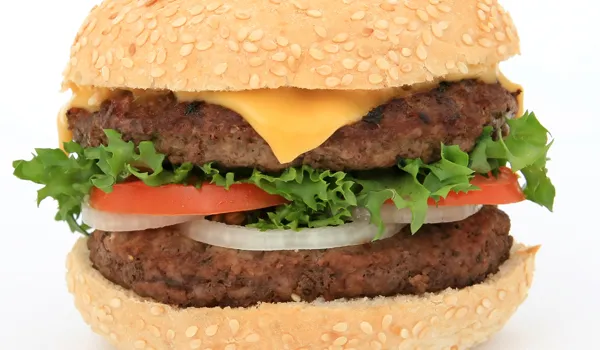
A high-fat meal may not be quite as bad for your body if you exercise shortly afterward, a small study from Japan suggests.
The results show that walking and doing light resistance training one hour after eating a high-fat meal reduces the boost in triglycerides, fats in the blood, normally seen after consuming this type of food. What's more, exercising after eating did a better job of reducing elevations in triglyceride levels than exercising before a meal.
High levels of triglycerides can increase the risk of heart disease.
Regular exercise reduces triglyceride levels, but few studies had looked at the effect of exercise on triglyceride levels shortly after eating, the researchers said.
However, because the study was small, further research is needed to know whether the results apply to the general population, the researchers added. In fact, a study published in 1998 (also a small one), found the opposite — that exercising 10 to 12 hours before a high-fat meal was best at reducing triglyceride increases, although exercising afterward did show some benefit as well.
Stephen Ball, an associate professor of nutrition and exercise physiology at the University of Missouri, and an author of the 1998 study, said the best time to exercise is any time you can. And if you want to lose weight, you'll have to exercise enough to burn more calories than you consume, Ball noted.
In the new study, researchers measured triglyceride levels in 10 men and women after they had eaten a fatty meal (about 38 percent fat). On two separate days, people exercised either one hour before or one hour after eating the meal. On a third day, people did not exercise after eating.
Get the world’s most fascinating discoveries delivered straight to your inbox.
When people didn’t exercise, their triglyceride levels rose from 66 milligrams per deciliter (mg/dL) to 172 mg/dL two hours after eating. Normal fasting triglyceride levels are below 150 mg/dL.
When people exercised before dining, their triglyceride levels increased to 148 mg/dL within two hours after eating (a 25 percent reduction compared with triglyceride levels following no exercise). When people exercised after eating the meal, their triglyceride levels increased to 131 mg/dL (a 72 percent reduction compared with no exercise.)
Six hours after eating the high-fat meal, all participants' triglyceride levels were the about the same, regardless of whether or not they had exercised. However, even temporary increases in triglyceride levels after eating a high-fat meal may increase cardiovascular disease risk, the researchers said.
Exercising after a fatty meal may accelerate the rate at which the body uses fat, thus reducing triglyceride levels, the researchers said.
"Maybe there is a reason that it is good to go for a walk after a big meal, like Thanksgiving," said Dr. William Kraus, a professor of medicine at Duke University School of Medicine, who was not involved in the research.
The study, conducted by researchers at Kyoto Prefectural University, is published in the February issue of the journal Medicine & Science in Sports & Exercise.
Pass it on: Exercising one hour after eating a high-fat meal reduces elevations in triglyceride levels.
Follow Rachael Rettner on Twitter @RachaelRettner, or MyHealthNewsDaily @MyHealth_MHND. We're also on Facebook & Google+.

Rachael is a Live Science contributor, and was a former channel editor and senior writer for Live Science between 2010 and 2022. She has a master's degree in journalism from New York University's Science, Health and Environmental Reporting Program. She also holds a B.S. in molecular biology and an M.S. in biology from the University of California, San Diego. Her work has appeared in Scienceline, The Washington Post and Scientific American.