













Lack of Sleep Slows You Down

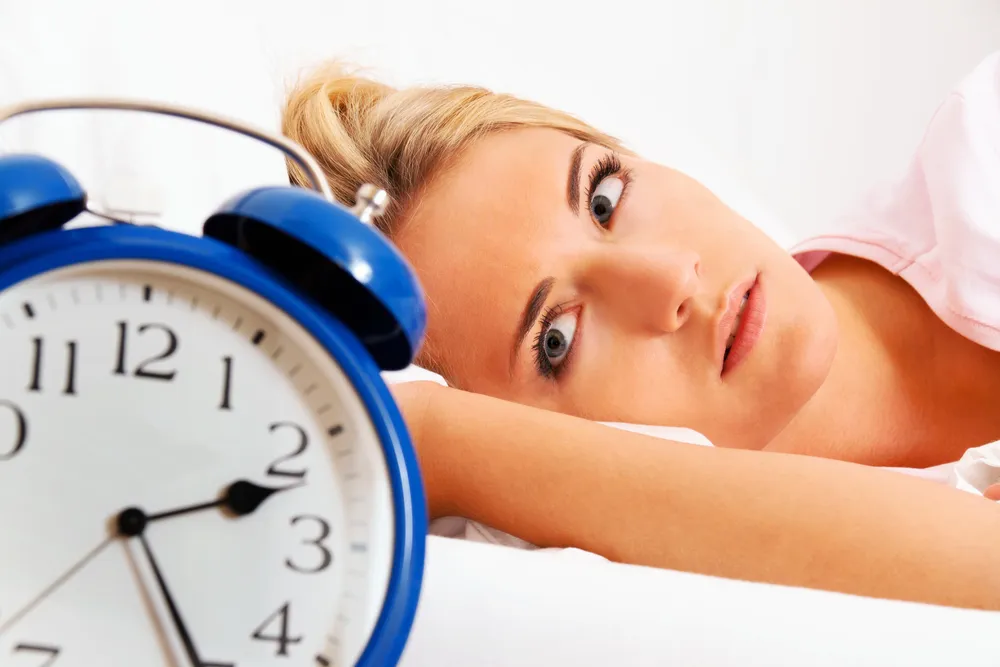
Even if you don’t feel tired, a lack of sleep may slow you down on the job and affect how well you work, and that drag on performance tends to snowball the longer and later you stay awake, a new study finds.
Researchers set out to study how workers' productivity is affected if they sleep on an irregular schedule and get less than the recommended 8 hours of shut-eye per night. During the first week of the study at Brigham and Women's Hospital in Boston, participants slept 10 to 12 hours per night. But for the next three weeks, they were allotted only five to six hours of slumber on a 28-hour cycle that mirrored chronic jet lag, according to the hospital.
Throughout the research, participants were unaware of the time and they took visual search tests on a computer that recorded how quickly and accurately they could find important information. The team tested visual search performance because those tasks are common in jobs such as air-traffic control, baggage screening and monitoring power plant operations, Jeanne Duffy, a neuroscientist at BWH, explained in a statement. "These types of jobs involve processes that require repeated, quick memory encoding and retrieval of visual information, in combination with decision making about the information."
The longer the participants were awake, the more slowly they identified the important information in the test, according to the hospital. Participants also performed tasks more slowly from 12 a.m. to 6 a.m. — considered the biological nighttime — than they did during the daytime.
"The longer someone is awake, the more the ability to perform a task, in this case a visual search, is hindered, and this impact of being awake is even stronger at night," said Duffy, who published her results in the Journal of Vision.
As the weeks went on, the participants were increasingly slower to identify the important information in the tests. And though their test scores were getting worse during their sleep-deprived schedule, the participants only rated themselves to be slightly sleepier than their first well-rested week. Duffy said this suggests your perception of how tired you are does not always match your actual ability.
Sleep deprivation and an irregular sleep cycle have been linked to health problems. Previous research at Brigham and Women's Hospital found that a skewed sleep schedule — similar to the one used in this new study — may increase your risk of developing Type 2 diabetes. That said, scientists admit they don’t really know how much sleep you need, as each person’s requirements vary based on many factors.
Get the world’s most fascinating discoveries delivered straight to your inbox.
