













Navy Pilots Ejected from Jet Flying 170 MPH

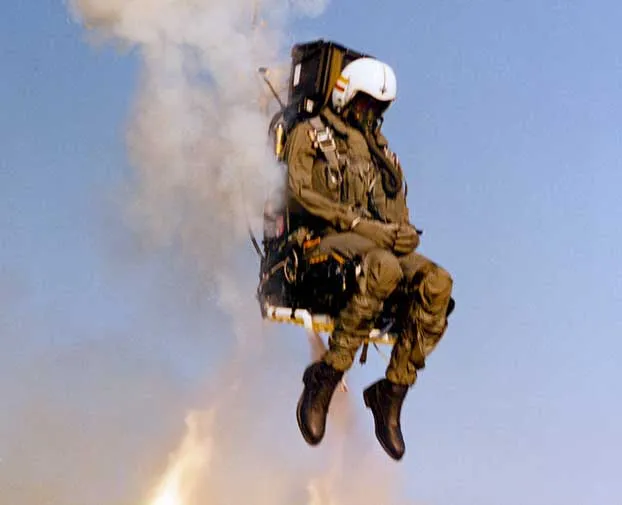
Yesterday, just minutes after an F/A-18D jet took off from the Naval Air Station Oceana in Virgina Beach, Va., the two pilots on board realized their aircraft engine had failed catastrophically. Immediately, they turned back toward the airfield, dumping jet fuel in order to reduce the aircraft's weight, a technique that could have helped them reach the runway just two miles away.
NEWS: Navy to Make Jet Fuel from Seawater
But it wasn't enough. They had no choice but to eject from the jet, which was traveling at 170 miles per hour. Moments later, the jet crashed into an apartment complex (photo below). Although the pilots and several residents were injured, reports so far indicate that no one was killed.
According to HowStuffWorks, most military aircraft have ejection seats that allow a pilot to escape, if the aircraft malfunctions. F/A-18D jets, like the one that crashed, are equipped with a Martin Baker ejection seat, the most advanced one used by the U.S. Navy. When the pilot engages the ejection, the canopy jettisons automatically and a miniature explosive device called a squib catapults the seat out of the aircraft along a set of rails. At about the same time, a leg-restraint system becomes activated, which prevents the pilot's legs from getting hung up in any debris. Lastly, a rocket under the seat ignites, propelling the seat higher into the sky.
BIG PIC: Meet Taranis, the Fighter Jet of the Future
Once in the air, another type of explosive called a drogue gun, which is located in the seat, fires, releasing a small parachute used to slow the pilot's descent. An sensor keeps track of the seat's altitude and speed, and after a set amount of time, releases the main parachute. Additional motors fire in the seat that separates it from the pilot, who can then land safely on the ground.
According to CBSNews, one of the pilots had to be freed from his ejector seat by neighborhood resident Nick Bean. Bean told CBS News, "He was bleeding a little bit and he still had his seat attached to him, so I pulled my knife out and cut him loose from his chair and dragged him out and got him as far away as I could." The other pilot had separated from the seat and was found still attached to his parachute, which had snagged on a back porch.
Get the world’s most fascinating discoveries delivered straight to your inbox.
The whole ejection time takes no more than four seconds and ejection seats are designed to withstand the forces of a jet traveling at several hundred miles per hour.
This article was provided by Discovery News.
