

-
 Does written language speed up or slow down cultural change?
Life's Little Mysteries The written word has been revolutionary in preserving ideas from the past, and transmitting new ones in the present. But does it favor tradition or change?
Life's Little Mysteries -
 Do animals experience schadenfreude?
Life's Little Mysteries Schadenfreude, or pleasure at seeing another's pain, is a complex emotion. So can animals besides humans experience it?
3 CommentsLife's Little Mysteries -
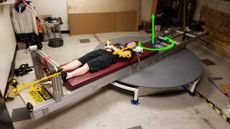 Could we ever create artificial gravity on a spaceship?
Life's Little Mysteries Microgravity poses severe health risks for astronauts. But could there be a solution?
5 CommentsLife's Little Mysteries -
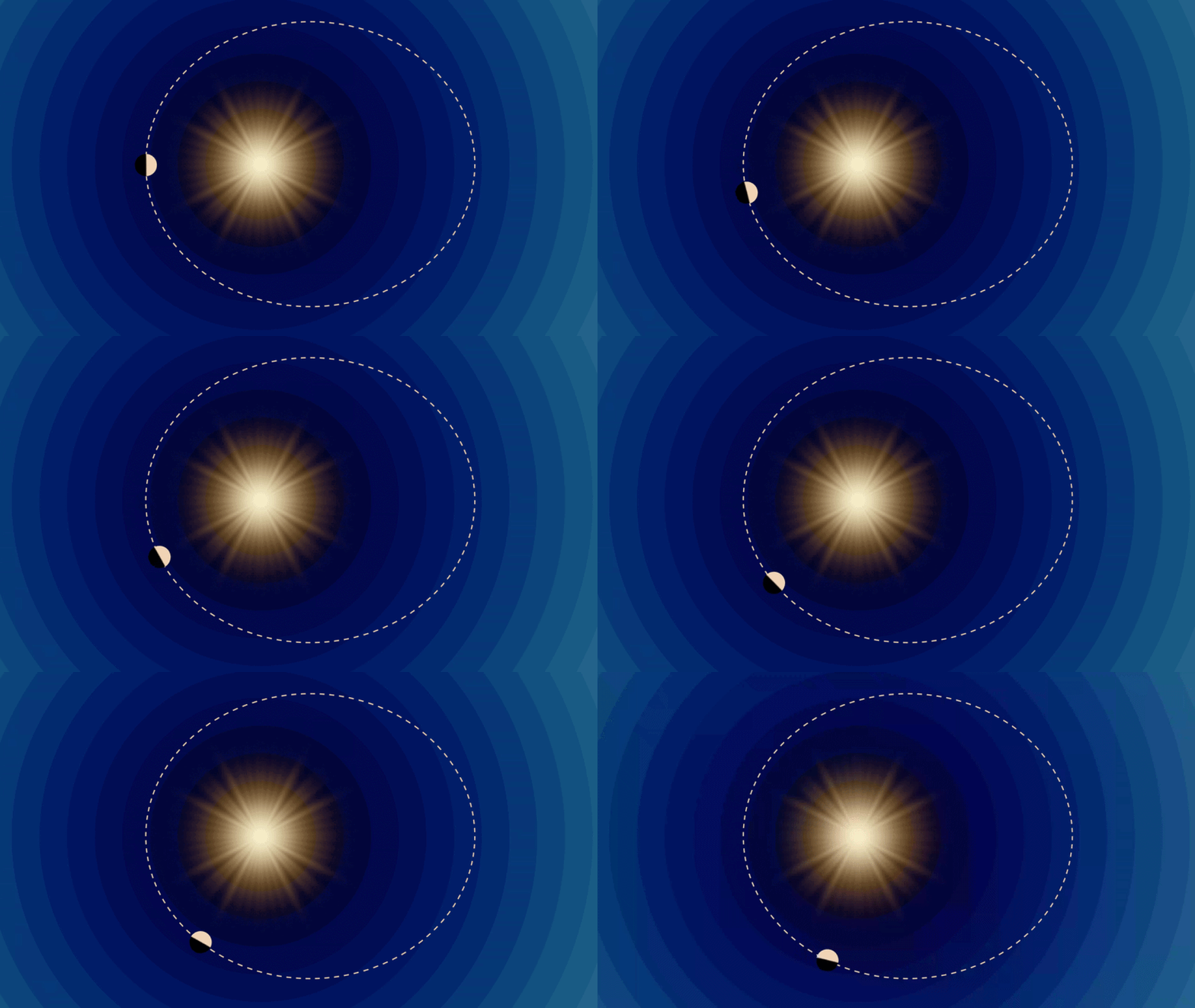 What is the closest any object has gotten to the sun?
Life's Little Mysteries Approaching the sun is a perilous process, but many objects have successfully pulled off this feat.
Life's Little Mysteries -
 Why does lithium work against bipolar disorder?
Life's Little Mysteries Lithium remains the gold standard for one of the most complex psychiatric conditions. Scientists are still getting to grips with why.
2 CommentsLife's Little Mysteries -
 Did the Vikings really shoot fiery arrows at funeral boats?
Life's Little Mysteries The idea of Vikings using fire arrows to set funeral boats ablaze is seen frequently in popular culture. But did it really happen?
Life's Little Mysteries -
 Why does blond hair tend to darken with age?
Life's Little Mysteries Some children have blond hair that darkens as they grow up. What causes this change?
Life's Little Mysteries -
 Why do cats lick each other?
Life's Little Mysteries Cats lick each other for multiple reasons, and some are more mysterious than others.
3 CommentsLife's Little Mysteries -
 Why is Venus hotter than Mercury, when Mercury is closer to the sun?
Despite being farther from the sun, Venus is the hottest planet in the solar system, and the reason has little to do with proximity to a star.
2 Commentsvenus


