













What is a Brain Hemorrhage?
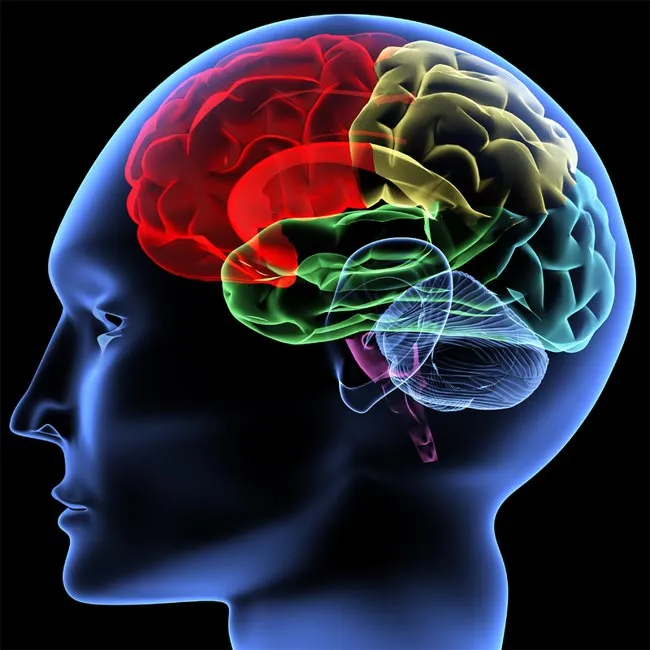
A brain hemorrhage happens when an artery in the brain bursts. This discharge of blood can disrupt the normal circulation to the brain, so it can lead to a stroke, which occurs when part of the brain is deprived of oxygen. Strokes can cause temporary or permanent brain damage.
Bleeding within the brain can also raise the pressure inside the skull to dangerous levels. This high pressure in turn can cause the hemorrhage to bleed faster, leading to a vicious cycle of damage within the brain.
Subarachnoid hemorrhaging, which recently landed reality-show star Bret Michaels in intensive care, refers to hemorrhages that occur in the tiny space between the brain and the thin tissue that covers the brain. This type of hemmorrhage is rare -- subarachnoid hemorrhaging accounts for just 3 percent of all strokes.
Symptoms of a brain hemorrhage include a sudden, severe headache (referred to by doctors as a thunderclap headache), dizziness, slurred speech, vision problems, vomiting, seizures and paralysis on one side of the body, according to the Cedars-Sinai Medical Center in Los Angeles.
Brain hemorrhages can be deadly. The damage that a hemorrhage wreaks on the brain is determined by the size of the hemorrhage, the amount of swelling in the skull and how quickly the bleeding is controlled. Some people may be left with permanent brain damage while others recover completely.
While brain hemorrhages, also known as cerebral hemorrhages, often occur as a result of head trauma, it is possible for a person to lower the chances of experiencing a brain hemorrhage in their lifetime.
Staying off drugs would be a smart thing to do. Cocaine and methamphetamines both increase the risk of bleeding in the brain, according to the National Institute on Drug Abuse.
Get the world’s most fascinating discoveries delivered straight to your inbox.
Smoking cigarettes has also been show to increase the risk of brain hemorrhages. The risk persists even after an individual has quit smoking, according to a study conducted by University at Buffalo and Johns Hopkins Medical Institutions researchers.
According to the International Council on Alcohol, Drugs, and Traffic Safety, 45 percent of traumatic brain injuries are caused by car accidents, so seatbelts must always be worn. People who ride motorcycles are at a greater risk of sustaining a brain injury and should always wear a helmet.
- Top 10 Mysteries of the Mind
- How Many Cells are in the Brain?
- Video: Is Addiction In Your Genes?