














Cotton Swabs Send 34 Kids to the ER Every Day

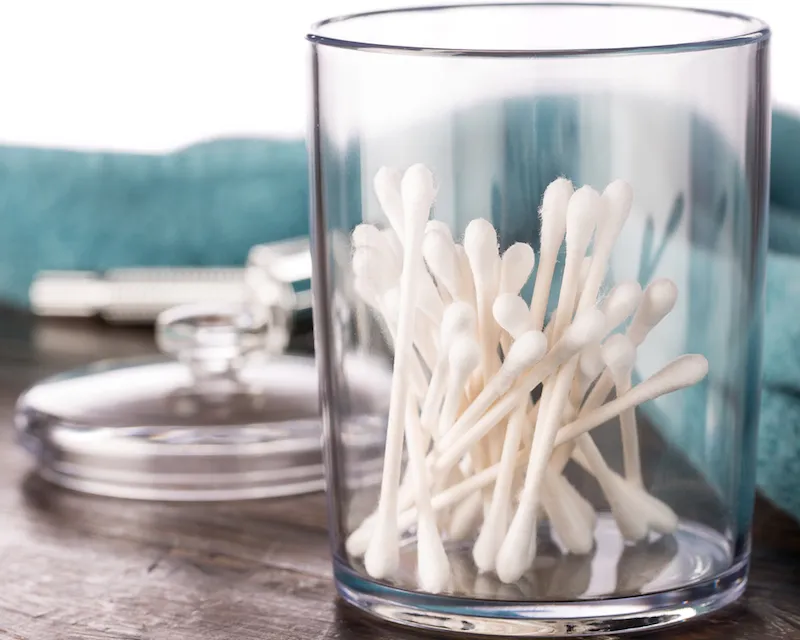
The message can't be simpler: Don't put cotton swabs in your ear canals.
A new study, the first of its kind to look at a nationally representative sample, found that between 1990 and 2010, an estimated 263,000 children were treated in U.S. hospital emergency departments for injuries to their ears from cotton tip applicators.
"It's concerning that while these products have been around for almost 100 years and many of the manufacturers put warning labels on the products stating to not use them in the ear canal, we are still seeing a significant number of injuries in children using them for the purpose of cleaning their ear canal," said the study's senior author, Dr. Kris Jatana, a pediatric otolaryngologist at Nationwide Children's Hospital in Columbus, Ohio, and associate professor at The Ohio State University Wexner Medical Center. [9 Weird Ways Kids Can Get Hurt]
The cotton swab was invented by Leo Gerstenzang in 1923 under the name "Baby Gays," which eventually became "Q-tips." In the 1970s, the brand added a label that warned consumers not to put the applicators in their ear canals.
With about 12,500 children coming into emergency rooms annually, or about 34 each day, the message does not appear to be getting through.
"I see kids every day in my clinic who misuse cotton tip applicators to clean their ears," Jatana told Live Science.
Children come in with impacted wax, perforations of the ear drum, other soft tissue injuries and sometimes damage to the hearing bones, he said. For the study, the researchers analyzed the data from the National Electronic Injury Surveillance System, which is maintained by the government's Consumer Product Safety Commission.
Get the world’s most fascinating discoveries delivered straight to your inbox.
Over the 21-year study, the most common diagnoses were the presence of a foreign body in the ear and eardrum perforation. Injuries like these can cause dizziness, infection and irreversible hearing loss, Jatana said.
And perhaps most disconcerting to him is that children were handling the cotton tip applicators themselves without parental supervision, he said. "Children under 8 accounted for two-thirds of the injuries," Jatana said. [25 Scientific Tips for Raising Happy Kids]
Some parents put ear cleaning right up there with brushing your teeth as a hygiene practice, he said. "This is a misconception being taught to children," he said. "It's not something that needs to be done, and this study shows how important it is that these products are not used to clean the ear canals."
The ear is self-cleaning and the presence of earwax is normal, he said. It has protective, lubricating and antibacterial properties. Visible wax in the outer portion of the ear can be wiped away with a wet cloth.
Jatana said he hopes the study will open some eyes. "I hope that we can learn from the number of injuries and help advise children and parents that this is not something that needs to be done."
Originally published on Live Science.
