 Live Science Plus





You are now subscribed
Your newsletter sign-up was successful
Want to add more newsletters?

Delivered Daily
Daily Newsletter
Sign up for the latest discoveries, groundbreaking research and fascinating breakthroughs that impact you and the wider world direct to your inbox.

Once a week
Life's Little Mysteries
Feed your curiosity with an exclusive mystery every week, solved with science and delivered direct to your inbox before it's seen anywhere else.

Once a week
How It Works
Sign up to our free science & technology newsletter for your weekly fix of fascinating articles, quick quizzes, amazing images, and more

Delivered daily
Space.com Newsletter
Breaking space news, the latest updates on rocket launches, skywatching events and more!

Once a month
Watch This Space
Sign up to our monthly entertainment newsletter to keep up with all our coverage of the latest sci-fi and space movies, tv shows, games and books.

Once a week
Night Sky This Week
Discover this week's must-see night sky events, moon phases, and stunning astrophotos. Sign up for our skywatching newsletter and explore the universe with us!
Join the club
Get full access to premium articles, exclusive features and a growing list of member rewards.
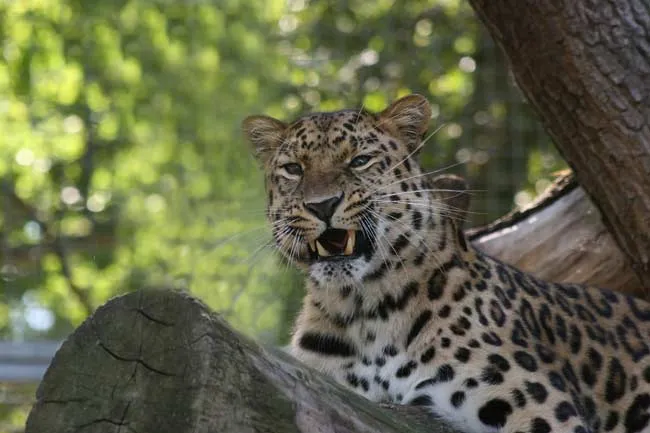
Many species of large cats, including the leopard, are particularly fussy about where they live, actively avoiding certain areas, a new study in Tanzania finds.
Surprisingly, all the species surveyed tended to avoid croplands, the researchers found, suggesting that habitat conversion to agricultural land could have serious implications for carnivore distribution.
"Carnivores are generally thought to be relatively tolerant to land conversion, yet our study suggests that they may be more sensitive to development than previously thought, and that protected areas need to be sufficiently large to ensure that these charismatic animals will roam in Tanzania for the decades to come," said Nathalie Pettorelli from the Zoological Society of London. "All species were affected by rivers and habitat, and the analysis provides important information relevant to the examination of future impacts of climate change."
The results were reported recently in the journal Animal Conservation.
- Gallery: The World's Biggest Beasts
- Top 10 Species You Can Kiss Goodbye
- Video: Cats Are Smooth But Inefficient Walkers

