 Live Science Plus





You are now subscribed
Your newsletter sign-up was successful
Want to add more newsletters?

Delivered Daily
Daily Newsletter
Sign up for the latest discoveries, groundbreaking research and fascinating breakthroughs that impact you and the wider world direct to your inbox.

Once a week
Life's Little Mysteries
Feed your curiosity with an exclusive mystery every week, solved with science and delivered direct to your inbox before it's seen anywhere else.

Once a week
How It Works
Sign up to our free science & technology newsletter for your weekly fix of fascinating articles, quick quizzes, amazing images, and more

Delivered daily
Space.com Newsletter
Breaking space news, the latest updates on rocket launches, skywatching events and more!

Once a month
Watch This Space
Sign up to our monthly entertainment newsletter to keep up with all our coverage of the latest sci-fi and space movies, tv shows, games and books.

Once a week
Night Sky This Week
Discover this week's must-see night sky events, moon phases, and stunning astrophotos. Sign up for our skywatching newsletter and explore the universe with us!
Join the club
Get full access to premium articles, exclusive features and a growing list of member rewards.
Grim irony alert: You know those new smart chips on your credit card? They've actually triggered a virtual crime wave. Hackers and identity thieves, in a rush to exploit the old magnetic swipe cards while they still can, stole an estimated $4 billion in 2016 — a new record.
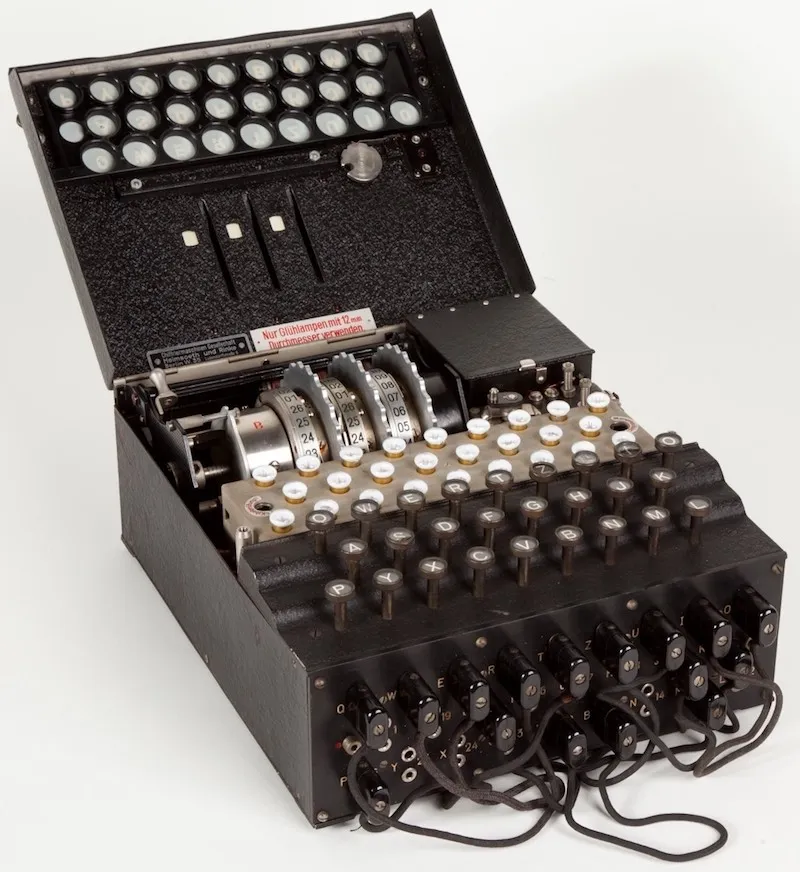
The smart chips are expected to prevent fraud in the long term, but banks are already thinking of the next big defensive maneuver: A digital update to World War II cipher technology that will replace that three-digit code on the back of your card.
In a similar fashion, the new bank card encryption technology will generate codes at timed intervals, which will then appear on the digital display next to the signature line, according to U.K reports. Users will tap in their PIN on the card to generate the codes, which will replace the three-digit CVV number system that's been in use for the last 20 years.
Inventors David Taylor and George French have secured a patent for the technology, which will also include Bluetooth and Wi-Fi connectivity. These features will enable contactless paymenttransactions similar to Apple Pay or Microsoft Wallet.
RELATED: Young Inventors Tackle Tricky Problems
The constantly changing codes are intended to confound data thieves who use various methods get around the CVV code system. For instance, by using a distributed guessing attack, hackers can run a single credit card through thousands of online retail systems at once, often cracking the CVV number within seconds.
The new encryption system would prevent such brute force attacks, but would also require wide-scale deployment of supporting retail software and systems. The contactless payment options would also prevent theft from compromised card scanners and skimmers. And because users would enter their PIN code on the card itself, the new system would do away with the current system, in which users punch their code into hundreds of different machines.
A representative from Barclays told U.K. publication The Telegraph that, while there's no timetable as of yet for the new system, the patent filing is part of an ongoing initiative to aggressively develop new methods for fighting bank card fraud.
The battle rages on.
WATCH VIDEO: Could Your Body Parts Replace Credit Cards?
Originally published on Seeker.
