 Live Science Plus





You are now subscribed
Your newsletter sign-up was successful
Want to add more newsletters?

Delivered Daily
Daily Newsletter
Sign up for the latest discoveries, groundbreaking research and fascinating breakthroughs that impact you and the wider world direct to your inbox.
Once a week
Life's Little Mysteries
Feed your curiosity with an exclusive mystery every week, solved with science and delivered direct to your inbox before it's seen anywhere else.

Once a week
How It Works
Sign up to our free science & technology newsletter for your weekly fix of fascinating articles, quick quizzes, amazing images, and more

Delivered daily
Space.com Newsletter
Breaking space news, the latest updates on rocket launches, skywatching events and more!

Once a month
Watch This Space
Sign up to our monthly entertainment newsletter to keep up with all our coverage of the latest sci-fi and space movies, tv shows, games and books.

Once a week
Night Sky This Week
Discover this week's must-see night sky events, moon phases, and stunning astrophotos. Sign up for our skywatching newsletter and explore the universe with us!
Join the club
Get full access to premium articles, exclusive features and a growing list of member rewards.
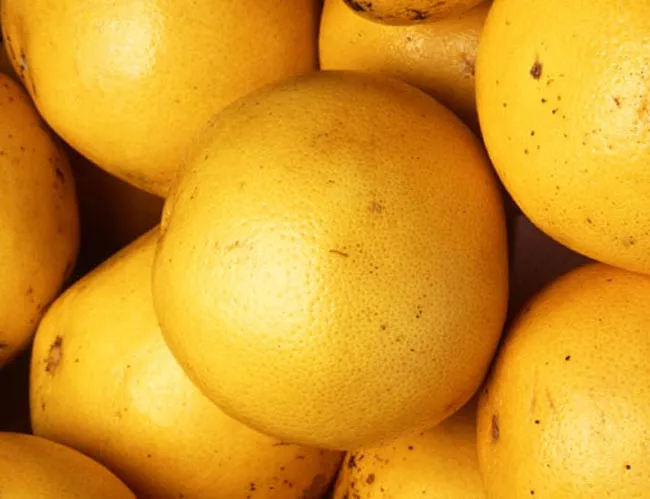
This Week's Question: My daughter heard that grapefruit juice can be toxic for some people. Is that true?
The juice, itself, is not toxic, but you should be careful taking medicine with any grapefruit.
Taking medicine can be hazardous to your health. You have to know what you're doing.
For example, calcium-rich dairy products or certain antacids can prevent antibiotics from being properly absorbed into the bloodstream. Ginkgo biloba can reduce the effectiveness of blood-thinning medications and raise the risk for serious complications such as stroke.
You should educate yourself so you know what active ingredients are in the prescription and over-the-counter medicines you are taking.
Some people treat over-the-counter pain relievers as if they are harmless. They can hurt you if you take them improperly. They contain drugs such as acetaminophen, ibuprofen, naproxen sodium and aspirin. Acetaminophen is in Tylenol. Ibuprofen is in Advil. Naproxen sodium is in Aleve.
Many prescription or over-the-counter medicines that treat multiple symptoms, such as cold and flu medications, also include acetaminophen and the other pain-relieving ingredients. So you have to be careful not to take too much of any one ingredient by ingesting more than one medication that contains that ingredient.
Seniors take more medicines than any other age group because they have more health problems. Taking several drugs a day presents dangers. Here are some more tips to avoid side these hazards:
- Always inform your doctor or pharmacist about all medicines you are already taking, including herbal products and over-the-counter medications.
- Tell your doctor, nurse, or pharmacist about past problems you have had with medicines, such as rashes, indigestion or dizziness.
- Don't mix alcohol and medicine unless your doctor or pharmacist says it's okay. Some medicines may not work well or may make you sick if you take them with alcohol.
The best advice is this: Don't be afraid to throw a lot of questions about your medicines at your doctor, nurse or pharmacist. Here are some good ones:
When should I take it? As needed, or on a schedule? Before, with or between meals? At bedtime? How often should I take it? How long will I have to take it? How will I feel once I start taking this medicine? How will I know if this medicine is working? If I forget to take it, what should I do? What side effects might I expect? Should I report them? Can this medicine interact with other prescription and over-the-counter medicines—including herbal and dietary supplements — that I am taking now?
And, ask your pharmacist to put your medicine in large, easy-to open containers with large-print labels.
Previous Healthy Geezer columns:
- Is it Safe to Exercise in Your 70s?
- Should I Worry About Dizzy Spells?
- Do Older People Need More Sleep?
The Healthy Geezer column publishes each Wednesday on LiveScience. If you would like to ask a question, please write fred@healthygeezer.com. © 2009 by Fred Cicetti.
