
 Live Science Plus


Engineered Probiotics Prevent Obesity in Mice

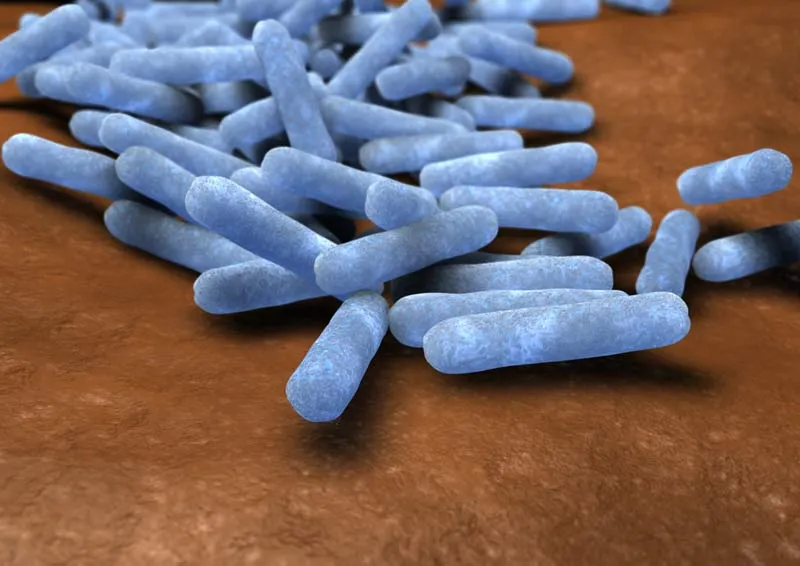
Weight gain can be prevented with engineered probiotics, even when paired with a high-fat diet, at least in mice, a new study shows.
Researchers genetically modified probiotic bacteria to produce a hunger-suppressing compound called NAPE, which is normally released by the cells in the small intestine after a meal and signals the brain to reduce food intake.
The NAPE-producing bacteria were added to the mice's drinking water for eight weeks, and colonized in the intestines of the animals. The mice were fed a high-fat diet during this time.

By the end of the study period, the mice that had received modified bacteria ate less food, and developed less insulin resistance and fat in the liver, compared with mice that drank regular water or nonmodified bacteria.
The researchers also found that after they removed the bacteria from the drinking water, the effects persisted for about four to six weeks, as the bacteria cleared out from the animals' guts, according to the study, published June 24 in The Journal of Clinical Investigation.
The findings suggest that adding genetically modified bacteria into the gut — which normally hosts trillions of bacteria, some of which support digestive health — could be one way to prevent obesity and metabolic diseases, the researchers said. [5 Ways Gut Bacteria Affect Your Health]
"Obviously, obesity has multiple causes," said study researcher Sean Davies, an assistant professor of pharmacology at Vanderbilt University in Nashville, Tennessee. "My thinking is that obesity is a long-term issue that, generally speaking, creeps up on people. You just overeat a little bit each time, over a period of months and years, and slowly become obese."
To reverse obesity, the researchers are looking for similar small steps that could work incrementally, over the long term, Davies told Live Science.
Studies have found that people who are obese appear to not produce enough NAPE, which stands for N-acylphosphatidylethanolamine, and works to suppress appetite after having a meal, the researchers said. By altering the gut bacteria, the researchers aimed to increase the amounts of this compound.
The bacterium used in the study is a known probiotic, a harmless strain of Escherichia coli (E. coli) called Nissle 1917, that has been studied and used in humans for about a century.
Eventually, the researchers plan to test their method in people, Davies said. But first, they have to find a safer alternative — the bacteria in their current form cannot be used in humans because they are resistant to antibiotics, so they grow more easily in the lab.
Once a safer version of the bacteria is made, it would have to pass other safety tests for unknown side effects, like any other drug, Davies said.
Email Bahar Gholipour. Follow us @LiveScience, Facebook & Google+. Original article on Live Science.
