













Concussions Deal Bigger Blow to Men Than Women

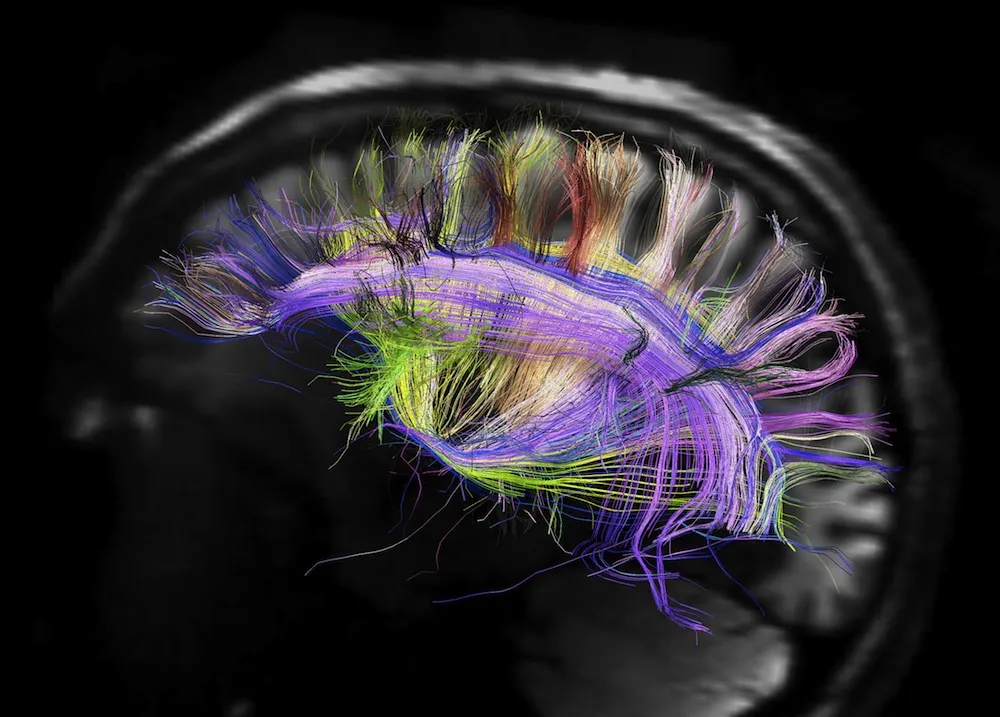
When it comes to concussions, men may take longer to recover, and show more brain damage, than women do, a new study suggests.
In the study, researchers examined brain scans and medical records of 47 men and 22 women with concussions, and a group of 21 men and women without any brain injury, to see whether gender has any role in recovery from mild injuries to the brain.
The results showed that it took men with concussions an average of 67 days to recover, compared with an average of 26 days for women.
"What was really striking to us was the fact that how long it took you to recover wasn't dependent on how severe your initial symptoms were," said study researcher Dr. Saeed Fakhran, assistant professor of neuroradiology at the University of Pittsburgh School of Medicine. [10 Things You Didn't Know About the Brain]
An analysis of the brain scans also suggested that men had more abnormalities in one area of the brain's white matter, which is where concussions can often cause minor damage.
The researchers found that having more abnormalities in a specific area of the white matter was also linked with having a longer recovery time, according to the study, published today (May 6) in the journal Radiology.
Brain trauma
Get the world’s most fascinating discoveries delivered straight to your inbox.
Concussions are the result of mild trauma to the brain, often caused by the blows to the head that can happen in sports or car accidents. Symptoms often include headaches or problems with concentration, memory and balance. The effects of a concussion usually resolve as the injuries heal.
Usually, MRIs and CT scans of patients who have suffered concussions appear normal. So, in the study, the researchers used a particular form of MRI, called diffusion tensor imaging (DTI), to look specifically at the brain's white matter, where a concussion may cause tears in the connective fibers.
The DTI scans suggested that, compared to women with concussions and participants without brain injury, men with concussions had more abnormalities in one area of the brain's white matter, called uncinate fasciculus, which is a bundle of fibers that connects two major regions of the brain.
Help for patients
Using such scans has advantages for research because it provides a measure of abnormalities caused by concussion, whereas basing research on patients' reports of their symptoms may lead to bias, Fakhran said. Patients may not always report their symptoms accurately, he said.
However, it's too early to use these types of scans on patients in the clinical setting, Fakhran said, because "the test isn't powerful enough yet."
It's also not known why women recovered more quickly, on average, than men, or why they seem to sustain less damage in the uncinate fasciculus of the white matter, Fakhran said.
Interestingly, Fakhran added, this area of the white matter has one of the highest concentrations of progesterone receptors in the brain, and progesterone is a hormone that animal studies have suggested protects brain cells from injury. However, more research is required to know if this is true in humans too, he said.
Email Bahar Gholipour. Follow us @LiveScience, Facebook & Google+. Original article on Live Science.
