
 Live Science Plus



Poison from Marijuana Farms May Threaten Endangered Owls

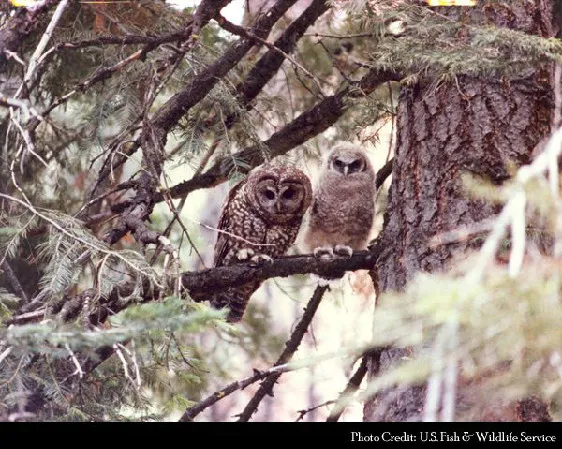
Well, this is a buzz-kill: Rat poison used in illegal marijuana farms may be threatening endangered spotted owls on the U.S. West Coast. Two spotted owls found dead in Mendocino County in Northern California tested positive for the poisons, the Associated Press reported. Because the endangered bird is so rare, one research project is looking for the poison in barred owls, a more plentiful cousin of the spotted owl. In the 10 or so owls examined so far, half tested positive for rat poison.
Loss of old-growth forest habitat and competition from barred owls, which may force spotted owls out of their territories, may be an even bigger factor in the decline of the endangered species, U.S. Forest Service wildlife biologist Eric Forsman told the AP.
"The rat poison could be significant, however, in the southern part of their range — Northern California and southwestern Oregon — where they feed primarily on dusky-footed wood rats and pot plantations are abundant," he said.

Rat poison was also found in 85 percent of the dead bodies of fishers, a rare forest mammal, in a recent study; the poison is thought to derive from illegal marijuana farms on public lands.
Email Douglas Main or follow him @Douglas_Main. Follow us @livescience, Facebook or Google+.
