













Can 'Superwheat' Rescue British Farmers?

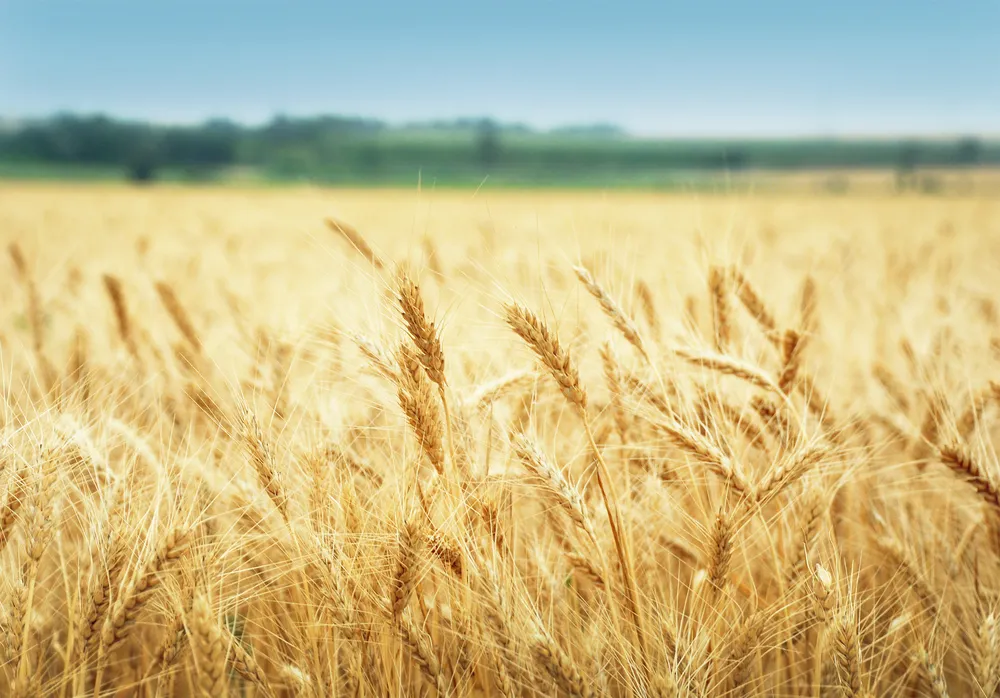
When British farmers are struggling to increase their yields of wheat, should they rely on genetically modified foods or imported (gasp!) French grains?
No: Superwheat to the rescue!
The National Institute of Agricultural Botany (NIAB), based in Cambridge, has announced the development of a robust new strain of wheat, the BBC reports.
The grain can increase crop yields by 30 percent, while also boosting wheat's drought tolerance and disease resistance.
Though the new strain of wheat won't be available for a few years, British farmers and food manufacturers heralded the announcement.
Wet weather in 2012 lowered crop yields and forced the British to import wheat for the first time in decades. As a result, iconic brands like Weetabix cereals have recently had to scale back production.
Though genetically modified foods have been touted as a potential solution to feeding a hungry world, NIAB researchers didn't use genetic engineering to create their superwheat.
Get the world’s most fascinating discoveries delivered straight to your inbox.
Instead, the researchers relied on ancient grasses, cross-breeding them with existing strains of wheat, the Daily Mail reports.
"It is about finding novel characteristics from the original ancestors of wheat and breeding them to make them as productive and resilient as possible," Tina Barsby, director of NIAB, told the Daily Mail.
"You can sometimes become too focused on one technology, like GM [genetic modification], and not look at other techniques that can bring you similar success," Barsby said.
Follow Marc Lallanilla on Twitter and Google+. Follow us @livescience, Facebook & Google+. Original article on LiveScience.com.
