













Rural Americans Face Greater Obesity Risk Than City-Dwellers

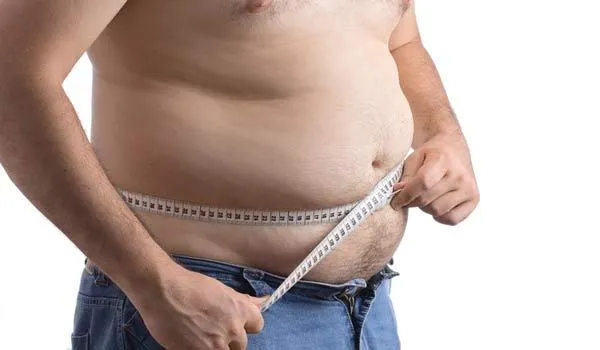
American adults living in rural areas are more likely to be obese than their urban peers, according to new research.
The study, which drew on data from the National Center for Health Statistics, found that diet and isolation might be to blame the obesity disparity.
"There is a definite cultural diet in rural America, full of rich, homemade foods including lots of meat and dessert," Christie Befort, a University of Kansas researcher who led the study, said in a statement.
In addition to a diet typically higher in fat, rural Americans often face more challenges than their city-dwelling peers in getting access to health care and other services that would help keep their weight down, Befort and her team found.
"Access is often about travel time in a rural area, but it can also be that there's no place to go — literal physical isolation," said Befort. "It's tough to get to a gym if you live outside of a town without one."
While the gap was observed in adults 20 to 39 years old, such a disparity was not seen in older age groups in rural and urban areas, which Befort said might be attributed to disappearing labor-intensive jobs in rural areas.
"Physical activity is now needed to compensate for diet and technology," Befort said in a statement. "That requires cultural change because rural areas typically don't have a culture of physical activity as leisure time."
Get the world’s most fascinating discoveries delivered straight to your inbox.
The study was published in the Journal of Rural Health.
Follow LiveScience on Twitter @livescience. We're also on Facebook & Google+.
