













People Can Learn While They're Asleep, Study Finds

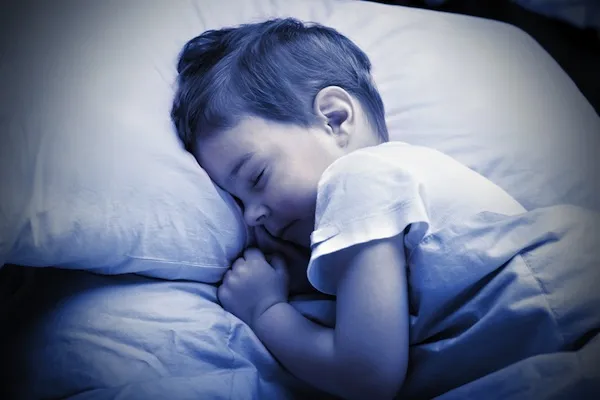
People are able to learn new information while they sleep, a study has found. Unfortunately, what the study's volunteers learned is much simpler than what most people might wish for. Researchers at the Weizmann Institute of Science in Israel taught 55 study volunteers to associate certain sounds with certain smells, Nature News reported. The study appeared in a journal by Nature News' publisher, Nature Neuroscience.
Using classical conditioning, also known as Pavlovian conditioning, the Weizmann researchers played certain sounds while wafting different odors to the volunteers while they were asleep. The researchers used pleasant smells, such as deodorant and shampoo, and unpleasant smells, such as rotting fish and carrion. The scientists found that the sleepers breathed shallowly when exposed to the unpleasant smells, but sniffed in deep when exposed to the pleasant smells.
Once they awakened, the sleepers didn't remember anything about the sound-smell conditioning. Yet when certain sounds were played — without the accompanying smells — the volunteers would sniff either shallowly or deeply, depending on the smell with which the sound was originally associated.
The ability for people to learn classical conditioning while they're asleep may help doctors diagnose people who are unconscious or are in a vegetative state, Nature News reported. It could also lead to therapies that condition people to overcome their phobias during sleep.
The major piece that's still missing is research into whether the brain pathways that govern conditioning during sleep are related to the ones that help people learn when they're awake, Tristan Bekinschtein, a University of Cambridge neuroscientist, told Nature News.
Source: Nature News
This story was provided by InnovationNewsDaily, a sister site to LiveScience. Follow InnovationNewsDaily on Twitter @News_Innovation, or on Facebook.
Get the world’s most fascinating discoveries delivered straight to your inbox.
