













Spouses Copy Each Other's Health Habits

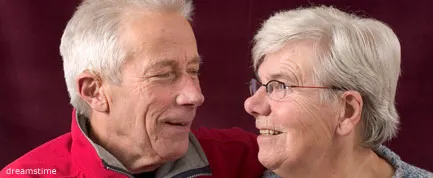
Spouses tend to be copycats—if one quits smoking or starts exercising, the other is more likely to follow suit, a new study finds.
Researchers examined how one spouse's changes in health habits affected the other's habits, using data from more than 6,000 individuals who participated in the Health and Retirement Study, which has followed the health of 20,000 Americans over the age of 50 since 1992.
Smokers were five times more likely to give up cigarettes if their spouse had quit and were also five times more likely to quit drinking if their partner didn’t drink.
"We found that when one spouse improves his or her health behavior, the other spouse was likely to do so as well," said study co-author Jody Sindelar of the Yale School of Public Health. "This was consistent across all behaviors analyzed and was similar among both males and females."
Behaviors geared at preventive medicine, such as getting a flu shot, also influenced spouses, if the behavior was initiated by the patient. But when doctors recommended a course of action, such as cholesterol screening, spouses were less likely to follow their partner's example.
The findings could be used by physicians to inform preventive health services by showing how influential family members, particularly spouses, are to health behaviors, the authors said. They suggest the results could be used by intervention programs to include tips on how to get spouses involved in exercise programs or to help with smoking cessation.
- Why Some Old Lovers Look Alike
- Top 10 Mysterious Diseases
- Video: Why We Age
Get the world’s most fascinating discoveries delivered straight to your inbox.

Andrea Thompson is an associate editor at Scientific American, where she covers sustainability, energy and the environment. Prior to that, she was a senior writer covering climate science at Climate Central and a reporter and editor at Live Science, where she primarily covered Earth science and the environment. She holds a graduate degree in science health and environmental reporting from New York University, as well as a bachelor of science and and masters of science in atmospheric chemistry from the Georgia Institute of Technology.