
 Live Science Plus





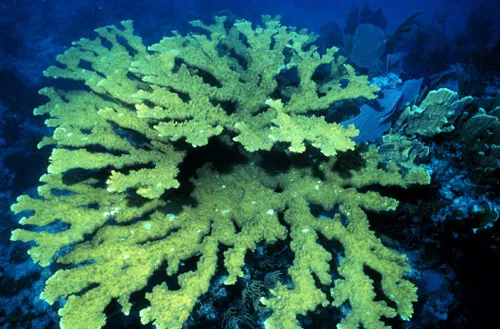
Coral disease outbreaks have struck the healthiest sections of Australia’s Great Barrier Reef, and a new study has conclusively linked disease severity to ocean temperature and climate change for the first time.
“With this study, speculation about the impacts of global warming on the spread of infectious disease among susceptible marine species has been brought to an end,” said Don Rice, director of the National Science Foundation’s Chemical Oceanography Program, which helped fund the research.
Article continues belowCoral colonies live atop limestone scaffolding, which is built from the secretions of the coral creatures called polyps. The vivid colors of the coral come from the symbiotic algae that live in the polyps and supply them with much of their nutrients.
When disease or stressful environmental conditions, such as changes in ocean temperature, strike the reef, the polyps expel their algae, making them appear pale.
Corals are critical to the survival of some commercial marine species and help buffer low-lying coastal areas.
“More diseases are infecting more coral species every year, leading to the global loss of reef-building corals and the decline of other important species dependent on the reefs,” said study lead author John Bruno of the University of North Carolina.
The stressful rise in ocean temperatures due to global warming, coupled with the close living quarters of corals may make it easy for infection to spread, according to the study published in the May 1 online issue of the journal PLoS Biology.
“We’ve long suspected that climate change is driving disease outbreaks,” Bruno said. “Our results suggest that warmer temperatures are increasing the severity of disease in the ocean.”
- Top 10 Surprising Results of Global Warming
- Coral Reef Damage Rising Worldwide
- Image: Stressed-Out Coral Reefs

