 Live Science Plus





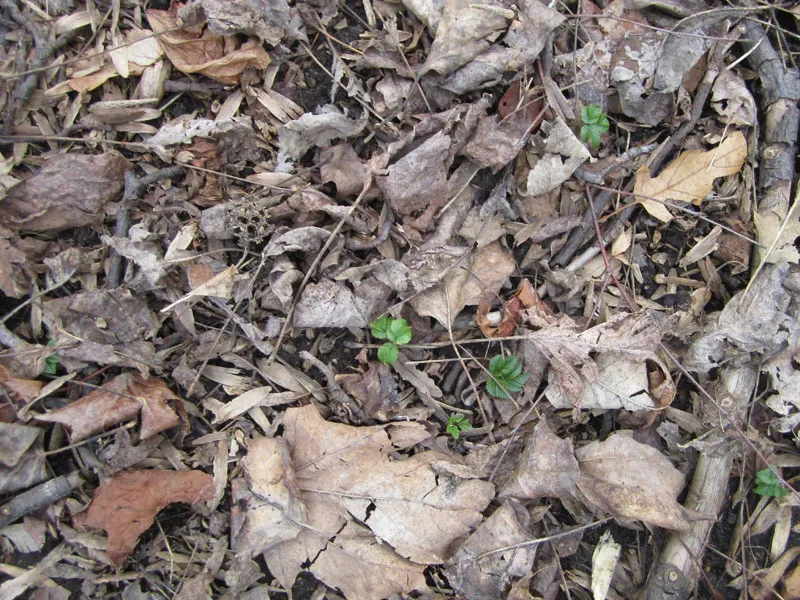
Plants are greening up and blooming earlier, insects are emerging sooner and birds' migration patterns are shifting. But is it climate change?
Attributing earlier springs to global warming is tricky, thanks to the role natural patterns, such as cycles in atmospheric pressure and ocean temperature, play in weather fluctuations. [Spring Shows Earlier and Earlier for Many Plants, Animals]
Over longer time periods, however, there is evidence the advancement of spring owes more to generally warmer temperatures — the hallmark of global warming — than to some natural patterns, one study of western North America has found.
Article continues belowResearch published in 2011 in the Journal of Climate used data on the appearance of plants' first leaves and blooms to examine how much the timing of these events — essentially, the arrival of spring — had shifted thanks to two large-scale patterns related to the fluctuation of regional air pressures, the Pacific-North American pattern and the Northern Annular Mode.
The team found spring had advanced by about 1.5 days per decade from 1950 to 2005 in western North America. Half a day's worth of the advance could be attributed to trends in these natural patterns, they found.
The rest of the advance, one day per decade, could be attributed to warmer temperatures overall.
It's not clear how climate change is affecting — or will affect — these natural patterns, said study researcher Toby Ault, a postdoctoral researcher at the National Center for Atmospheric Research.
Another study from 2011, published in the International Journal of Climate, looked at how two climate cycles related to sea-surface temperatures in the Pacific — the El Niño Southern Oscillation and the Pacific Decadal Oscillation — played into the arrival of spring in North America.
This team found some evidence these cycles affect the timing of the appearance of the first leaves, and stronger signs they influence geographic patterns in shifts in the first leaf dates.
You can follow Live Science senior writer Wynne Parry on Twitter @Wynne_Parry. Follow Live Science for the latest in science news and discoveries on Twitter @livescience and on Facebook.

