Study: Bomb's Shock Waves May Electrify the Brain

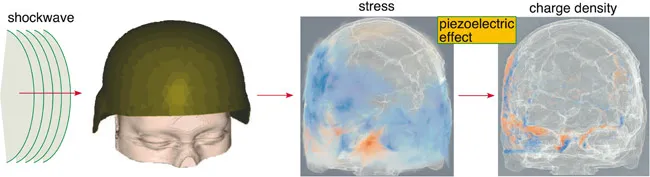
The blast waves from explosions could jolt the skull into generating electricity, potentially damaging the brain, scientists now suggest.
Although the burns and shrapnel wounds that explosions can inflict are their most obvious hazards, perhaps the greatest danger comes from a blast's shock wave. These rapidly generate ripples in a person's innards, potentially causing traumatic brain injuries with deleterious effects ranging from a simple concussion to long-term impaired mental function.
Now scientists have uncovered a surprising possible way by which a blast might affect the brain — electric fields created when bone is hit by a shock wave.
"It's always exciting to look at a phenomenon that may have been missed in the past," said researcher Steven Johnson, a theoretical physicist at MIT. "Moreover, this is potentially an issue that can directly affect the lives of our soldiers, which gives it a special interest for all of us who are involved."
A variety of materials generate electricity when mechanically stressed. This effect, known as piezoelectricity, is commonly seen in guitar pickups and loudspeakers.
Johnson and his colleagues developed a new computer model of the electric fields generated in the skull by an improvised explosive device (IED) — the kind often rigged up nowadays in combat zones. The model results suggest the generated electric fields could exceed electrical safety guidelines by a factor of 10. In fact, they might be comparable in magnitude to medical procedures employing electromagnetic fields that can disrupt brain function.
However, a number of uncertainties remain at this point. First, the computer model was based on the piezoelectric effects seen with human femurs and similar bones, as no similar published data for the skull exists, so future research should experiment with skull bones to confirm their results. Next, even if the electric fields are as strong as predicted, it is unknown how their impact on the brain compares with that of the shock wave itself.
Get the world’s most fascinating discoveries delivered straight to your inbox.
Still, even if such electric pulses turn out not to have a major effect, they could open the door to a simple and important new class of medical diagnostic tools for blast-induced head injuries, such as customized helmets.
"We are looking into whether antennas inside the helmet could pick up the electric field generated when the blast impacts the skull, which would provide a direct measure of the head's exposure to a blast wave," Johnson explained.
"Eventually, the reading could be used for diagnosis," he added. "If the reading is above a certain threshold determined by injury research, the soldier could be directed to further screening and treatment — MRI scans and so on."
The scientists will detail their findings April 20 at a meeting of the Acoustical Society of America in Baltimore.
- Top 10 Greatest Explosions Ever
- The 10 Most Outrageous Military Experiments
- Fight, Fight, Fight: The History of Human Aggression