













Culture vs. Nature Seen in a Frozen Chevy Nova
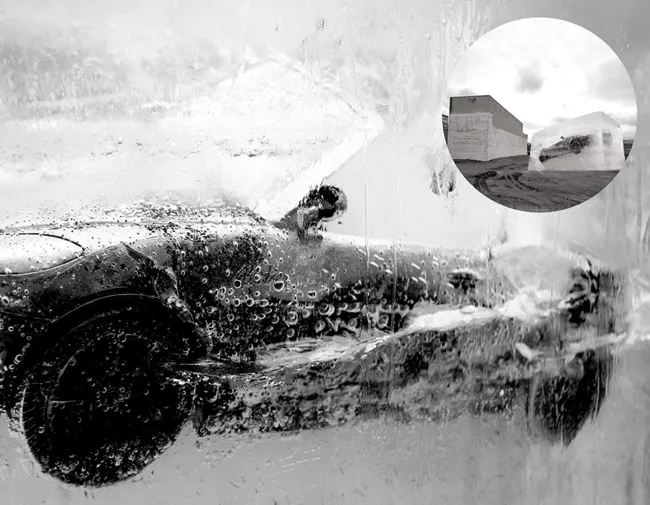
Two artists will attempt to persuade Americans to embrace alternative energy by reminding them of their energy-wasting ways. They're hoping a frozen classic muscle car—a remnant of our gas-guzzling past—will do the trick.
Mary Carothers, 40, and Sue Wrbican, 51, plan to encase a 1978 Chevy Nova in a block of ice by filling a container that houses the car with water until the car is suspended. A frigid Michigan winter will do the rest.
The demonstration is part of the annual Winter Carnival being held on Feb. 6 at Michigan Technological University campus.
The Chevy Nova, one of the last true muscle cars, brings back a sense of nostalgia for many people, said Mary Carothers, an associate professor of fine arts at the University of Louisville. “As artists, we hope to use this to start a dialogue with consumers and remind them about the choices made in the past.”
Muscle cars gained popularity in the early 1960s as part of a youth movement that revved up demands for stylish cars with stronger engines. Automakers delivered, rolling out models that packed 450 horsepower during an era when fuel-efficiency took a back seat to the desire for performance.
In 1973, a coalition of major oil supplying nations enacted an embargo against the U.S., triggering a nationwide oil shortage. Within a few months, the cost of gas quadrupled, prompting car companies to reverse trend and usher in a line of fuel-efficient vehicles.
Meanwhile, the government began to explore alternative forms of energy, such as solar and wind power. Tax credits were handed out to those working on ways to lesson the country’s dependence on oil. Even the Carter administration got into the act by installing solar panels on the White House roof.
Get the world’s most fascinating discoveries delivered straight to your inbox.
The panels, however, were removed soon after the President moved out.
“More progress could have been made toward developing these [alternative] sources during that time,” said Sue Wrbican, an assistant professor of art at George Mason University. “Instead, we have moved toward more consumption since then."
- Power of the Future: 10 Ways to Run the 21st Century
- Quiz: What's Your Environmental Footprint?
- Top 10 Emerging Environmental Technologies