













Biting Criticism for Wasps That Won't Work

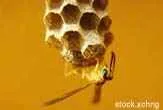
Worker wasps sometimes need to be encouraged to get off the couch, and the criticism of an unwilling worker can be biting.
Sean O'Donnell knew that some insects bite their nestmates as a form of communication. Wondering exactly what the biting might mean, he removed some active foragers from four wasp colonies to see how new foragers are recruited.
The remaining wasps directed their biting at certain individuals who previously hadn't left the nest, apparently to encourage them to go find food.
The rate of being bitten increased 600 percent for those that ended up being recruited as foragers.
"With no water, food and building material coming in to the nest, the colonies needed to ramp up their foraging workforce," said O'Donnell, a University of Washington animal behaviorist. "This study shows that these biting interactions play a central role in recruiting foragers and that biting has a role in communication that affects task performance in a colony."
O'Donnell studied the wasp Polybia occidentalis in Costa Rica. He anesthetized about 300 workers from each of the colonies, then color-coded each one. The next day, foragers returning to a nest were removed as they returned.
"The rate of foraging slowed down and stopped completely, placing stress on the colony because materials the colony needs, primarily food, are not coming in," he explained. "So the colony needs to recruit new workers to make up for the loss."
Get the world’s most fascinating discoveries delivered straight to your inbox.
Sometimes it took a lot of encouragement. Some wasps were bitten several times over the course of hours before they'd get off their duffs. And who can blame them for not wanting to go out into the big cruel world?
"Going off the nest to forage, where they are exposed to all kinds of stresses and dangers, is probably the biggest change these animals face in their lives," O'Donnell said.
The findings, announced today, are detailed in the journal Animal Behaviour.
