













Slim Secret: Butterflies Burn Fat in Cocoon
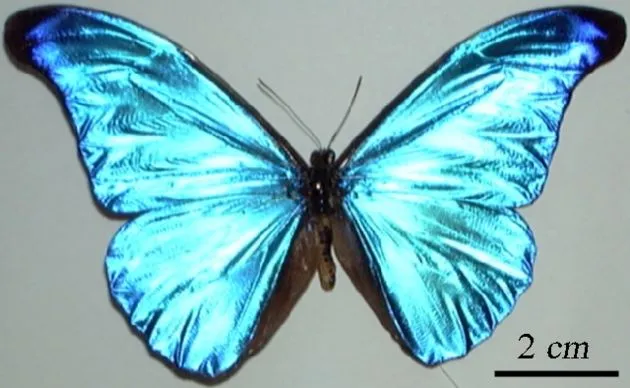
What goes on in a cocoon as a caterpillar changes into a butterfly remains one of nature's best kept secrets.
But a new study reveals one part of the process: The insects burn a tremendous amount of fat while hibernating during the transformation.
It takes drastic chemical changes to morph a squirmy caterpillar into a beautiful butterfly, and scientists have estimated that this process requires loads of energy to go forward. A logical source of that energy is stored body fat.
"It appears as though the larva is sleeping, and one might think that very little energy would be required in hibernation," said William Connor of the Oregon Health and Science University. "But the reverse must be true since a great deal of metabolic activity is occurring in the butterfly chrysalis."
On a daily basis, researchers analyzed the food consumption of Morpho peleides (popularly called blue morpho) butterfly larvae in Belize. They also analyzed the fat composition and content of both the food and the larvae, as well as of the butterfly once it emerged from its cocoon.
While both the butterfly and larva diets and tissues had high concentrations of polyunsaturated fatty acids, the larva had nearly three times more fat than the butterfly. The fats can act as building blocks for other substances that may be very important in the health of the both the larva and the butterfly, Connor said, particularly during metamorphosis.
This research is detailed in the March issue of the Journal of Lipid Research.
Get the world’s most fascinating discoveries delivered straight to your inbox.
- Your Butterfly Photos: 1, 2, 3, 4, 5
- Advanced Optics ... on Butterfly Wings
- Monarch Butterfly Population Down 75 Percent
- Fat and Happy: Why Most People Don't Diet